Sunome Variations

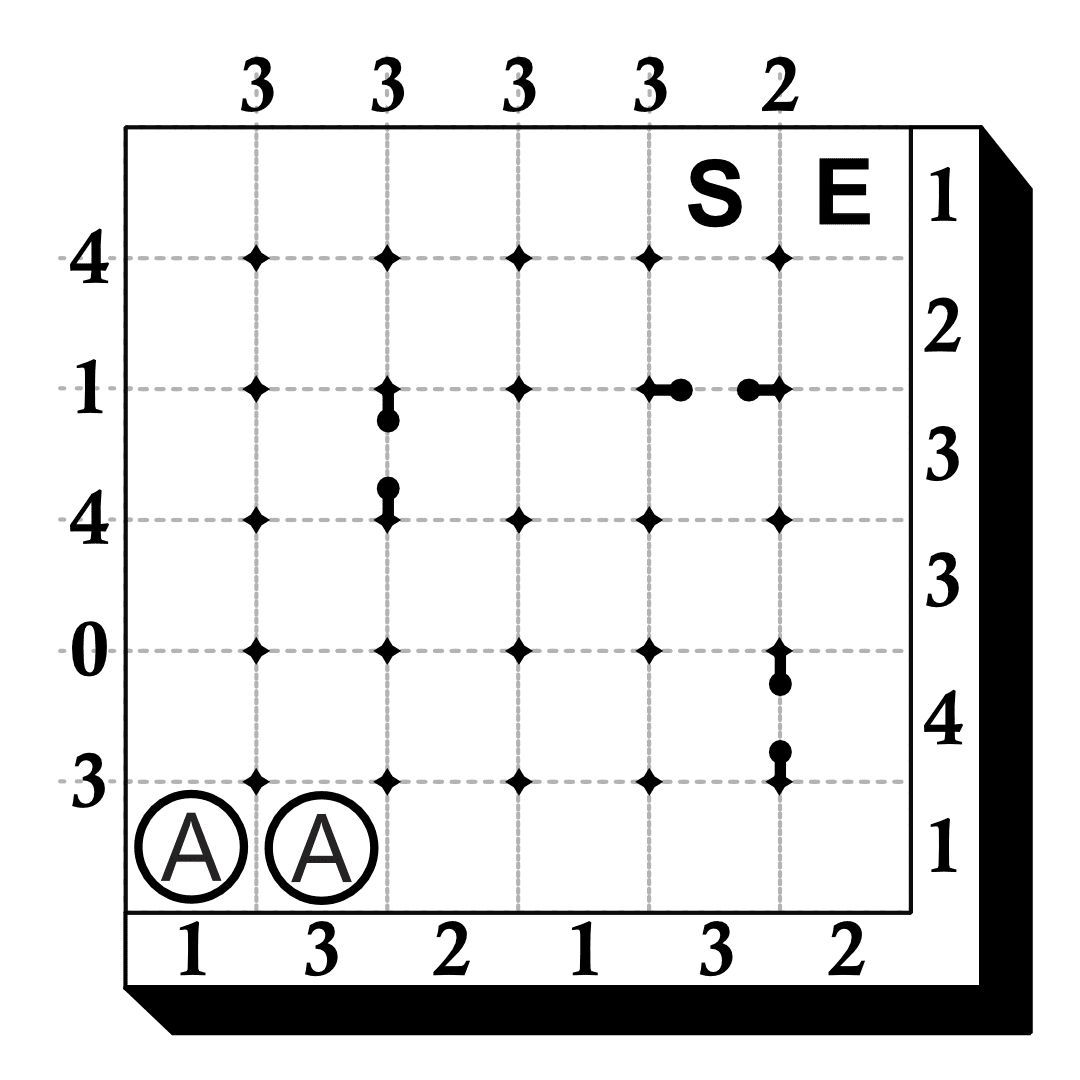
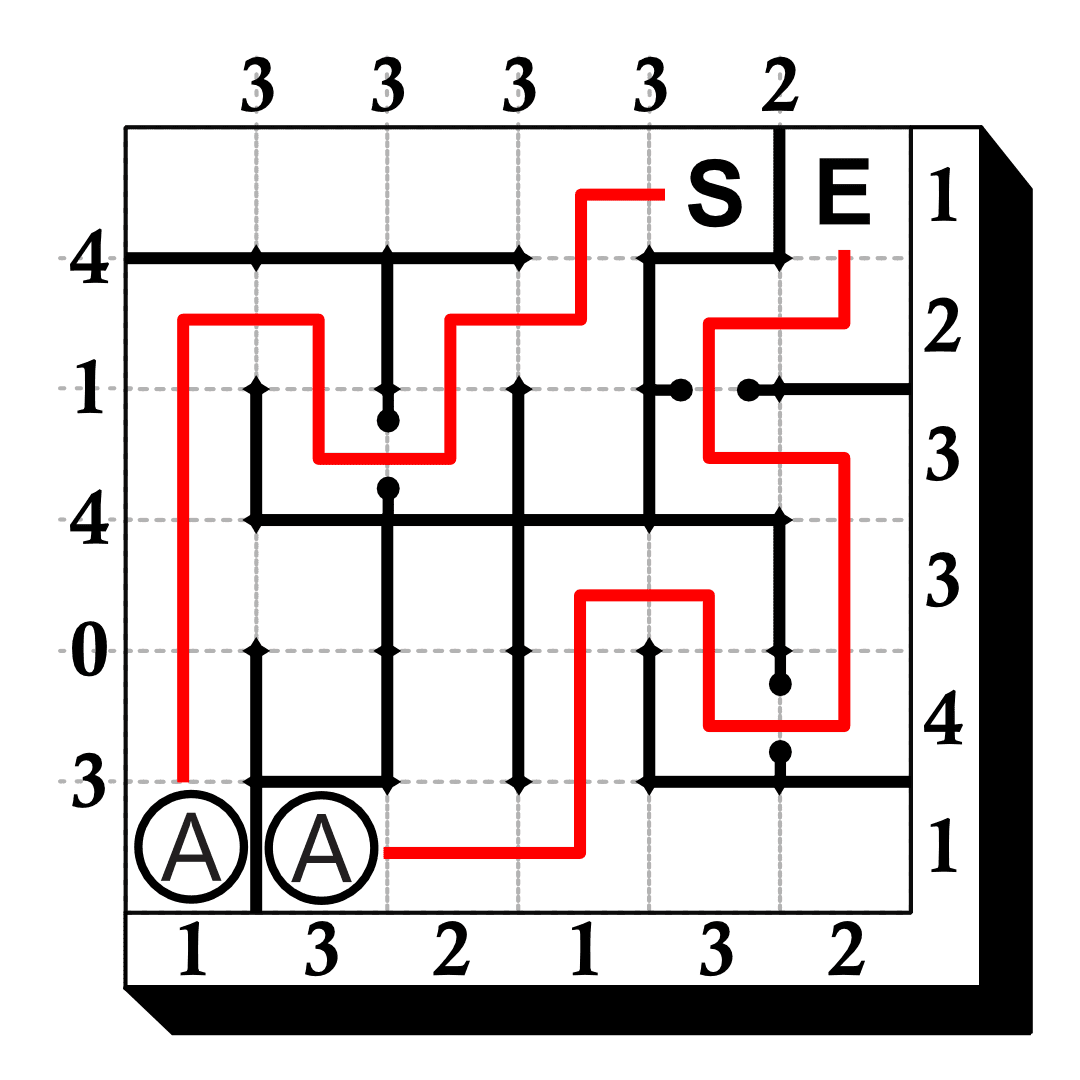
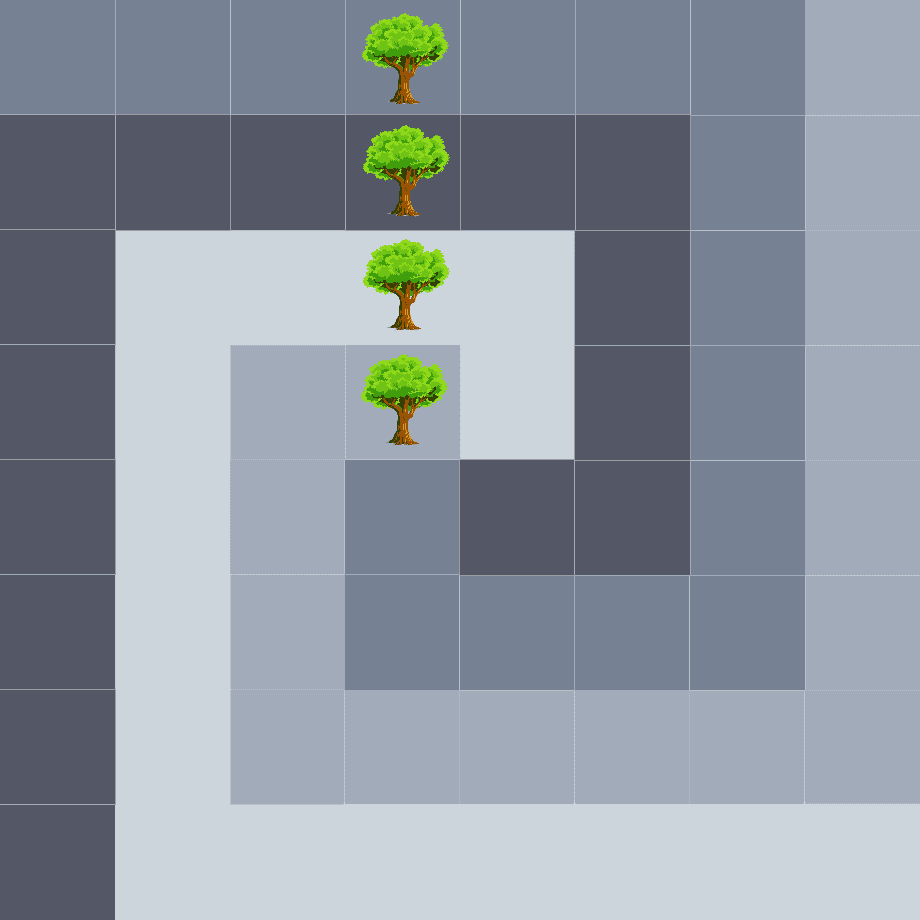
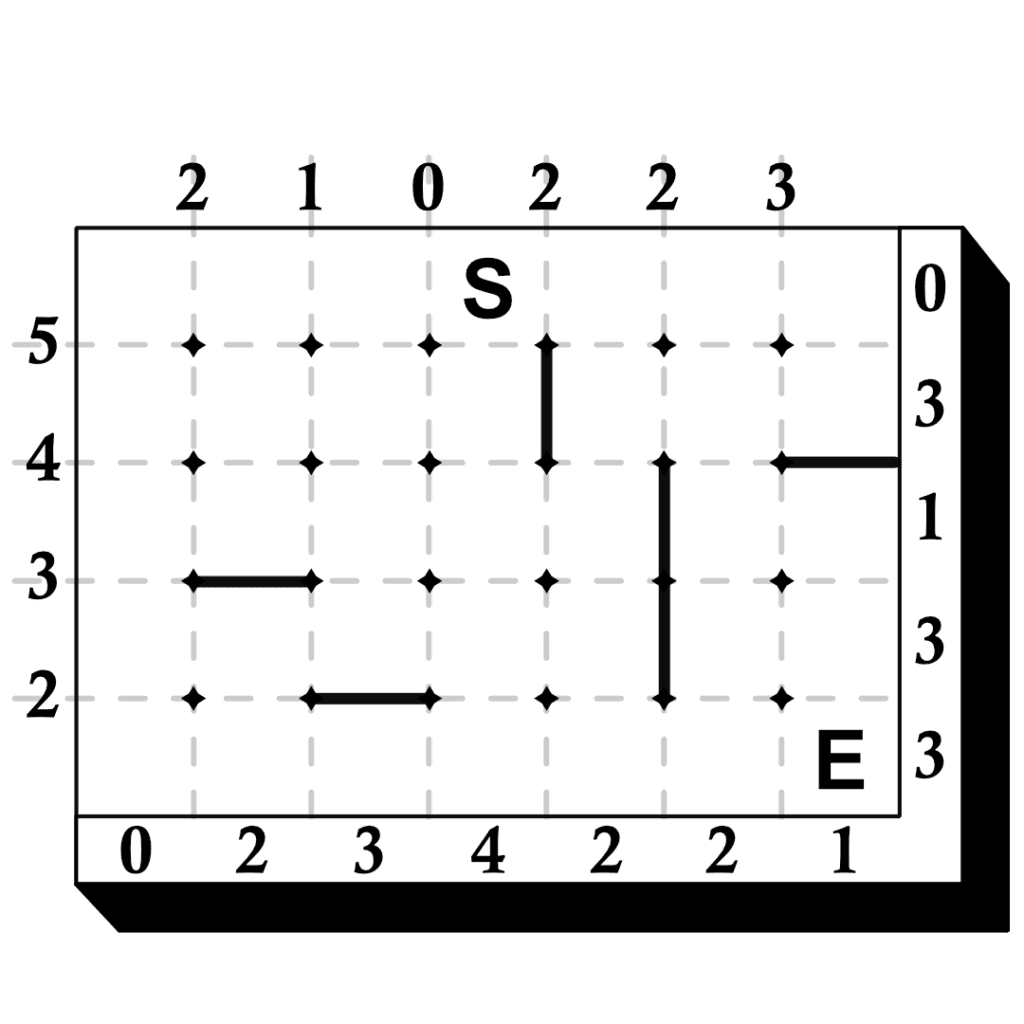
The main challenge of a Sunome puzzle is drawing a maze. Numbers surrounding the outside of the maze border give an indication of how the maze is to be constructed. To solve the puzzle you must draw all the walls where they belong and then draw a path from the Start square to the End square.

The walls of the maze are to be drawn on the dotted lines inside the border. A single wall exists either between 2 nodes or a node and the border. The numbers on the top and left of the border tell you how many walls exist on the corresponding lines inside the grid. The numbers on the right and bottom of the border tell you how many walls exist in the corresponding rows and columns. In addition, the following must be true:

  • Each puzzle has a unique solution.
  • There is only 1 maze path to the End square.
  • Every Node must have a wall touching it.
  • Walls must trace back to a border.
  • If the Start and End squares are adjacent to each other, a wall must separate them.
  • Start squares may be open on all sides, while End squares must be closed on 3 sides.
  • You cannot completely close off any region of the grid.

In addition, these variations of Sunome have the following extra features:

  • Paths (borders with a hole in the middle) designate places where the solution should pass through.
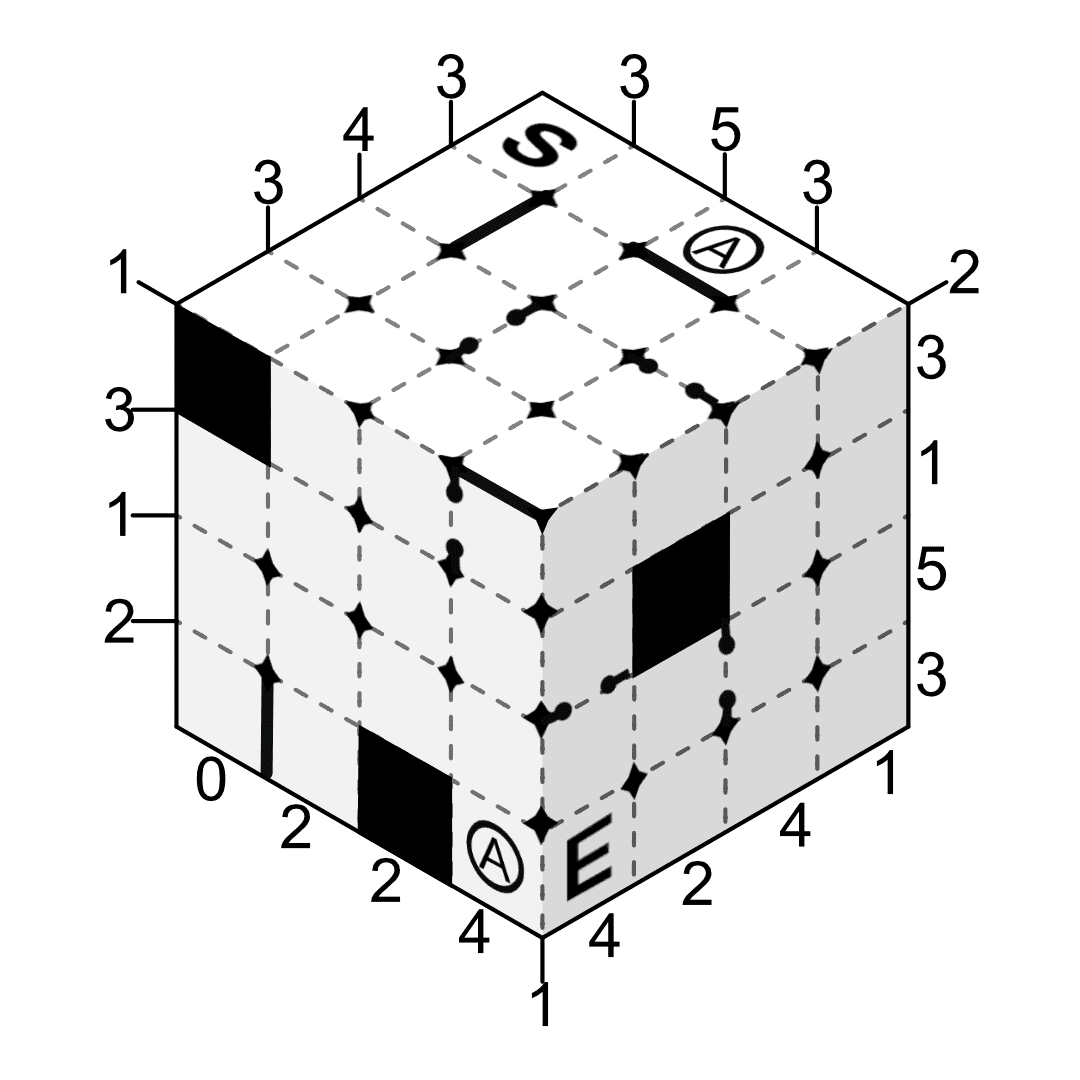
  • Pits (black squares) designate places where the solution does not pass through.
  • Portals (circled letters) designate places where the solution should pass through and teleport from one portal to the other.
  • Sunome Cubed is solved similarly but on the surface of a cube. The numbers on the top right, top left, and center left of the border tell you how many walls exist on the corresponding pairs of lines inside the grid. The numbers on the center right, bottom right, and bottom left of the border tell you how many walls exist in the corresponding pairs of rows/columns.

Examine the first example, then solve the other three puzzles.
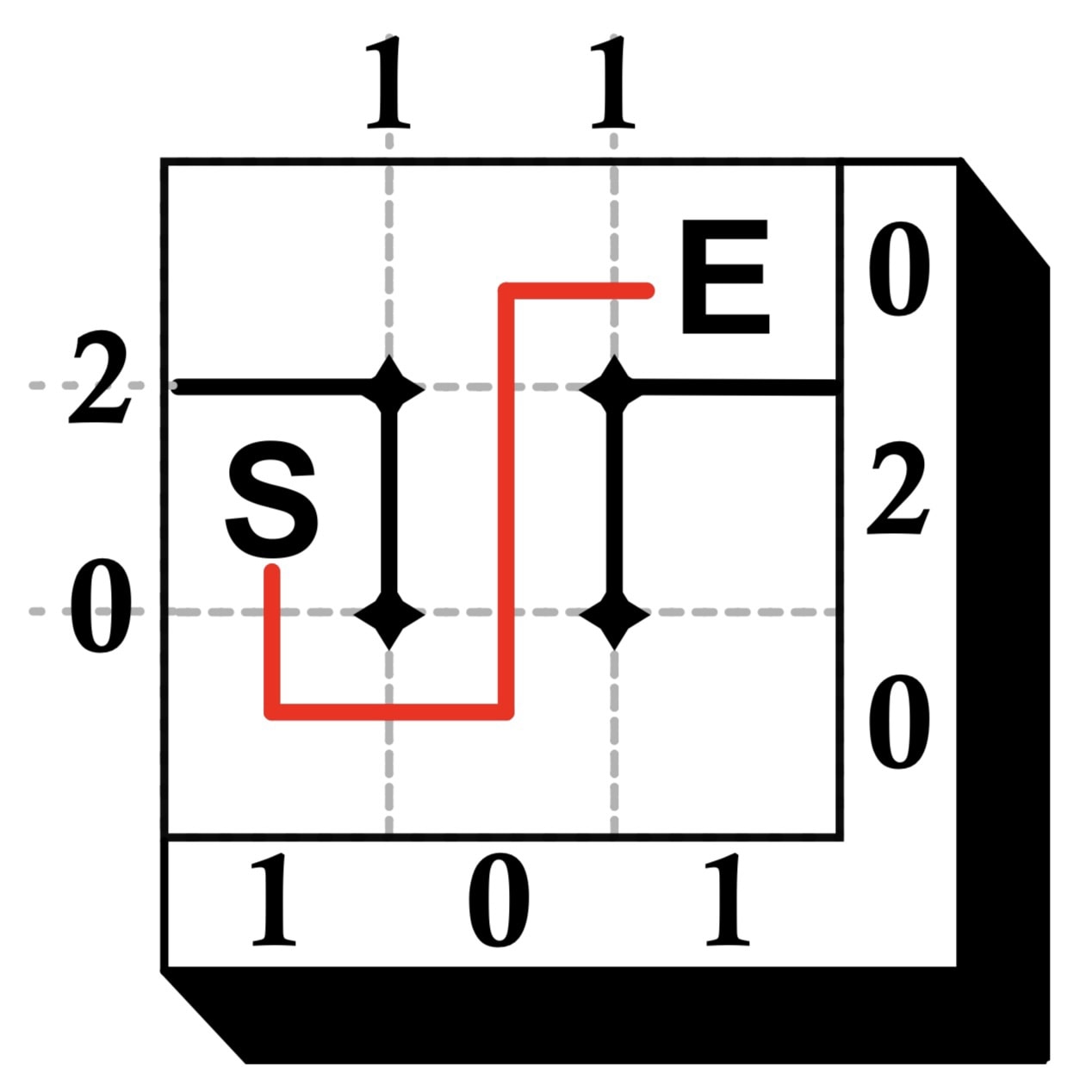
The solutions are shown below.

Monkey Type

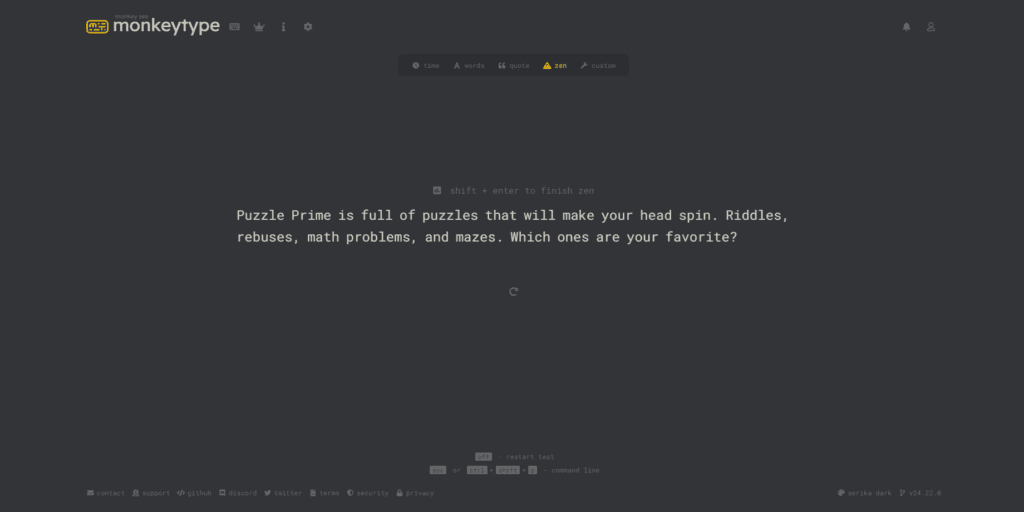
There are many tools online to test your typing skills. However, one of them is so stylish and functional, that it drives us back to it repeatedly. Monkey Type offers many features and customization options which make it feel like an addicting video game. You can try to climb the leaderboards in various categories by typing as quickly as possible given paragraphs. You can focus on typing punctuation or numbers, or simply practice stress-free using the provided zen mode. Following each session, you will receive a comprehensive report of your typing performance, including words per minute, accuracy, consistency, etc. The interface is simple and polished, but if it is not to your liking, you can always change the theme in the settings menu.
D1G1TAL CHR0N1CLES

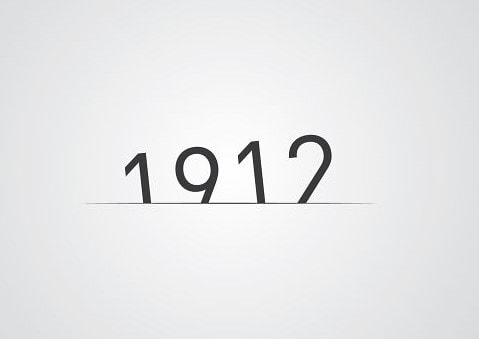
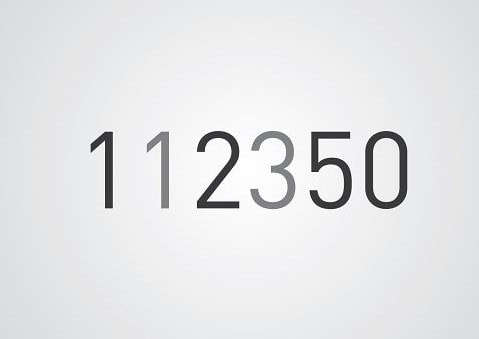
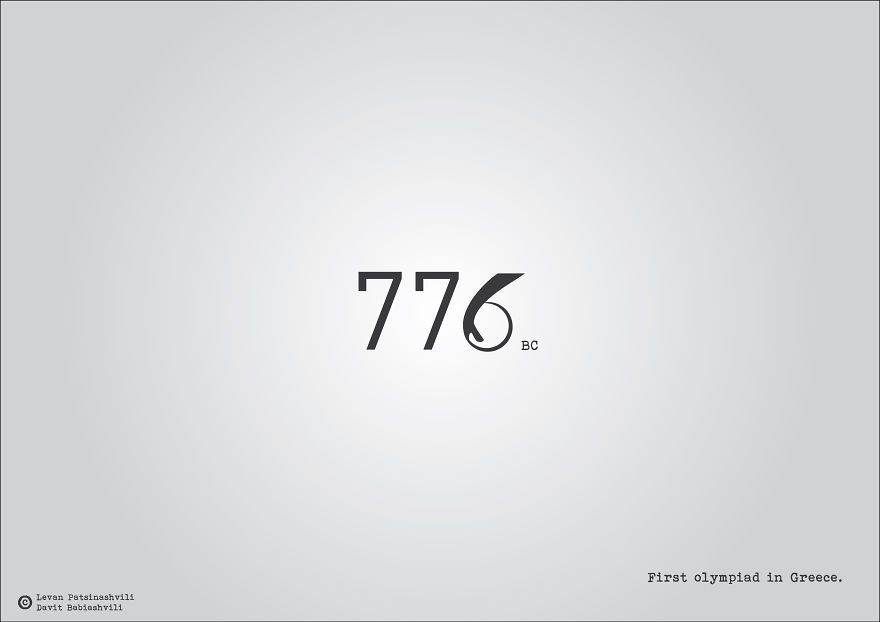
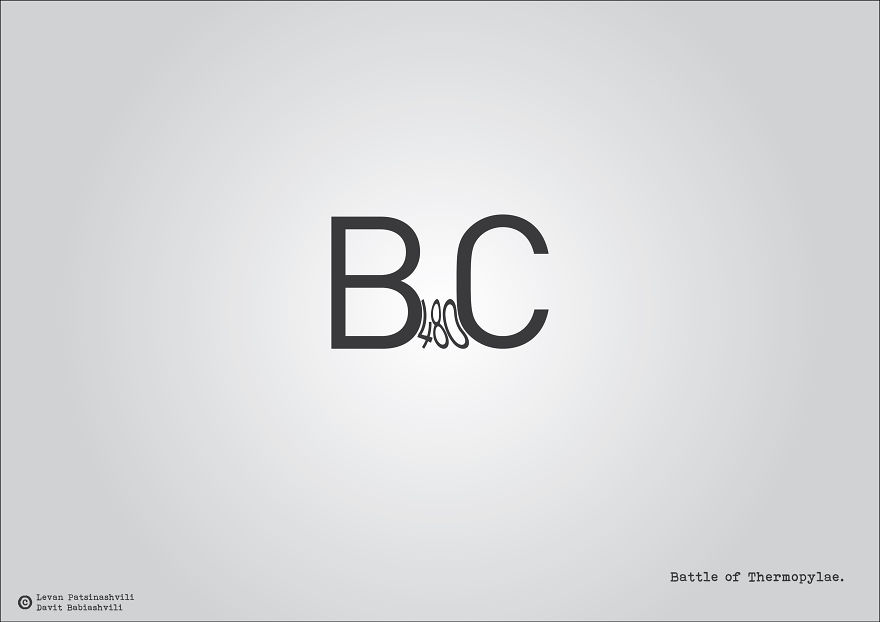
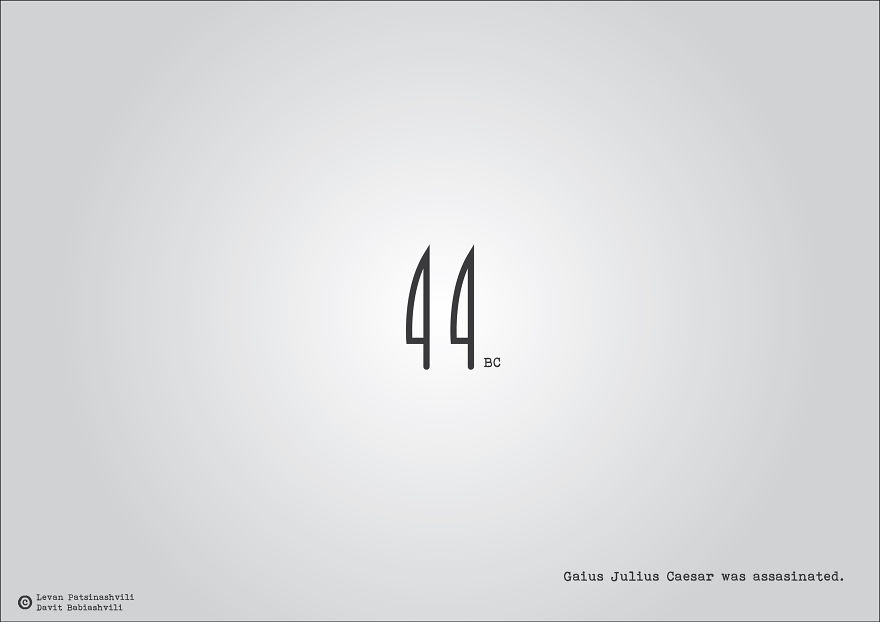
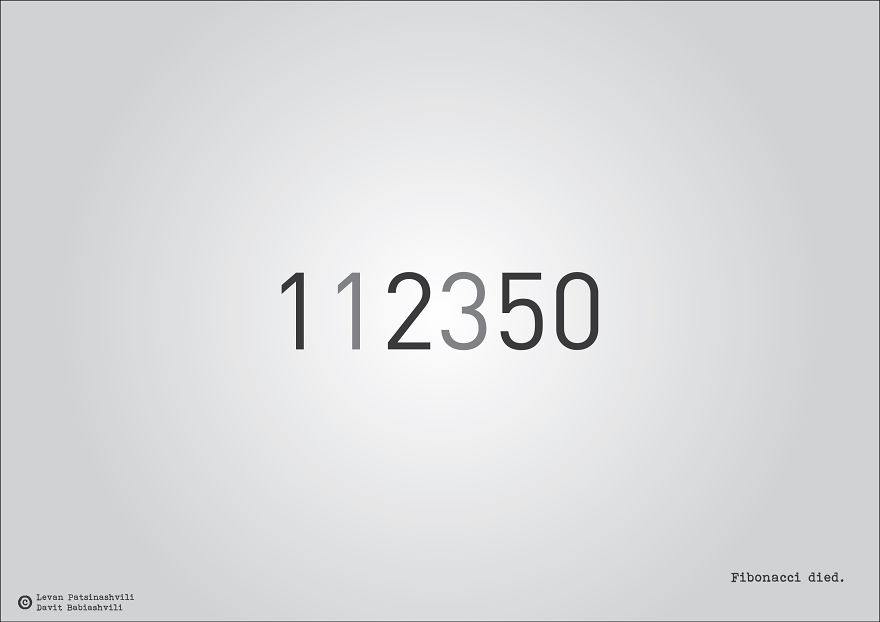
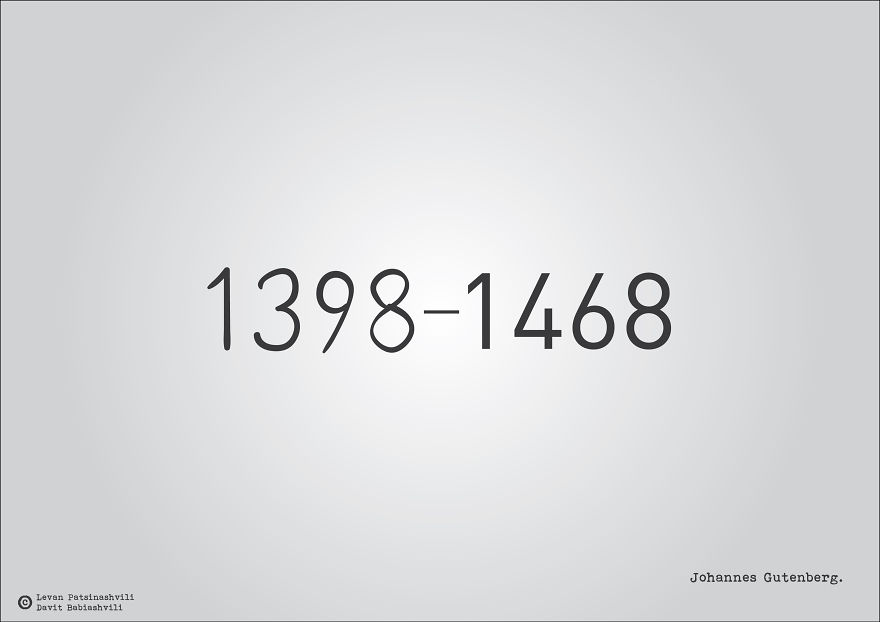
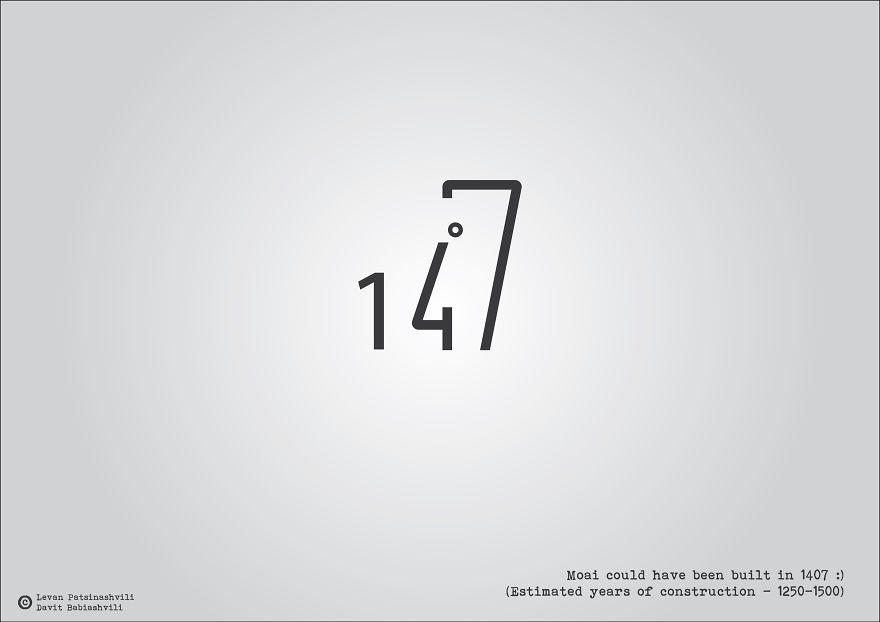
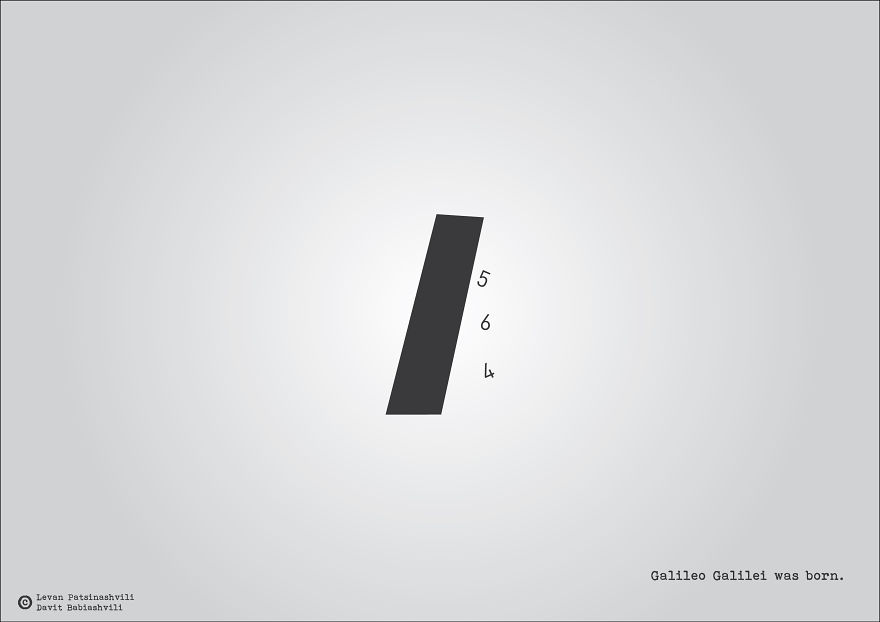
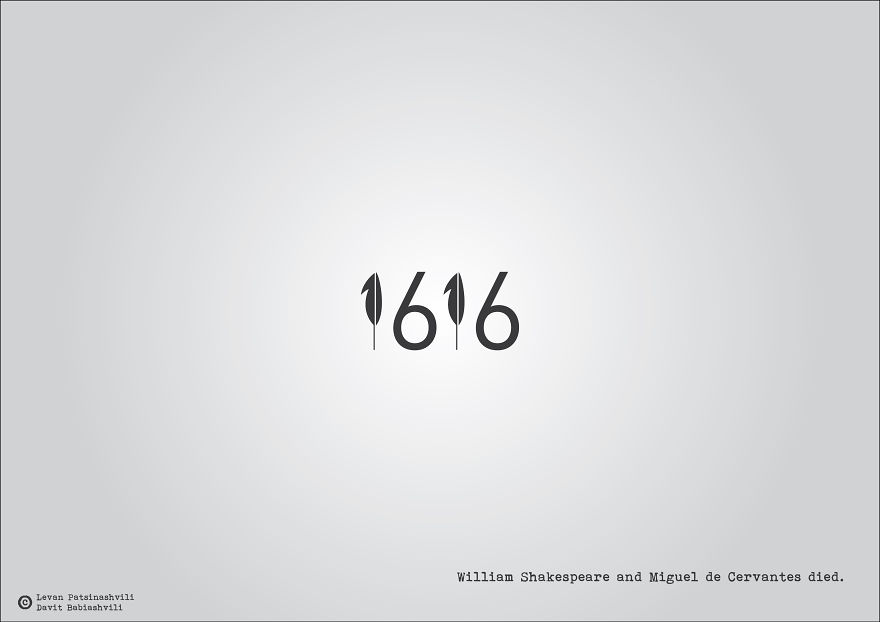
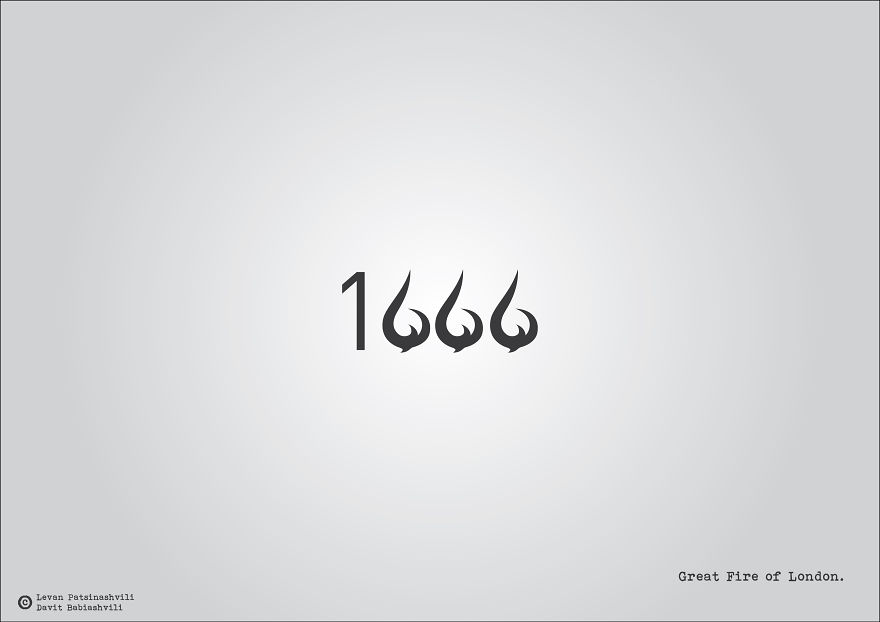
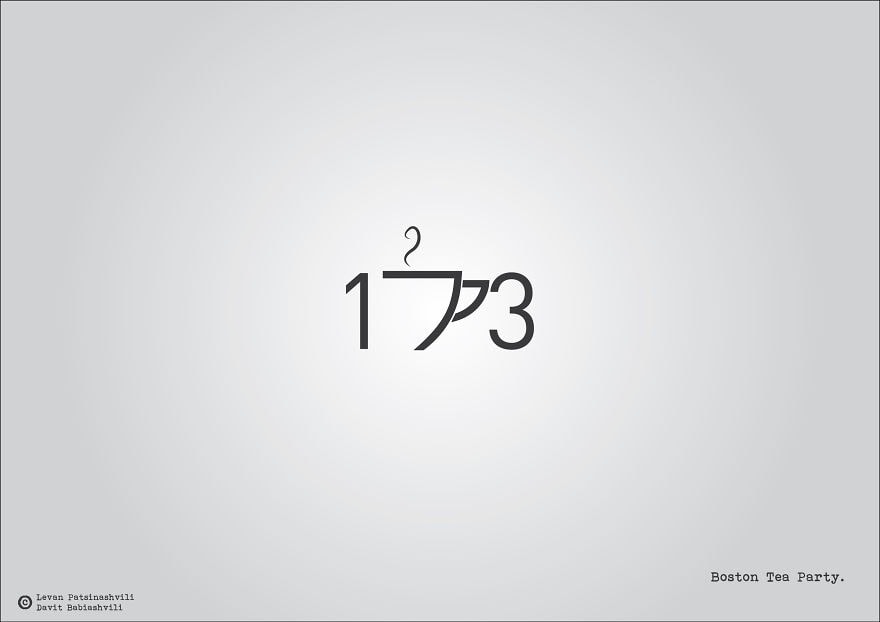
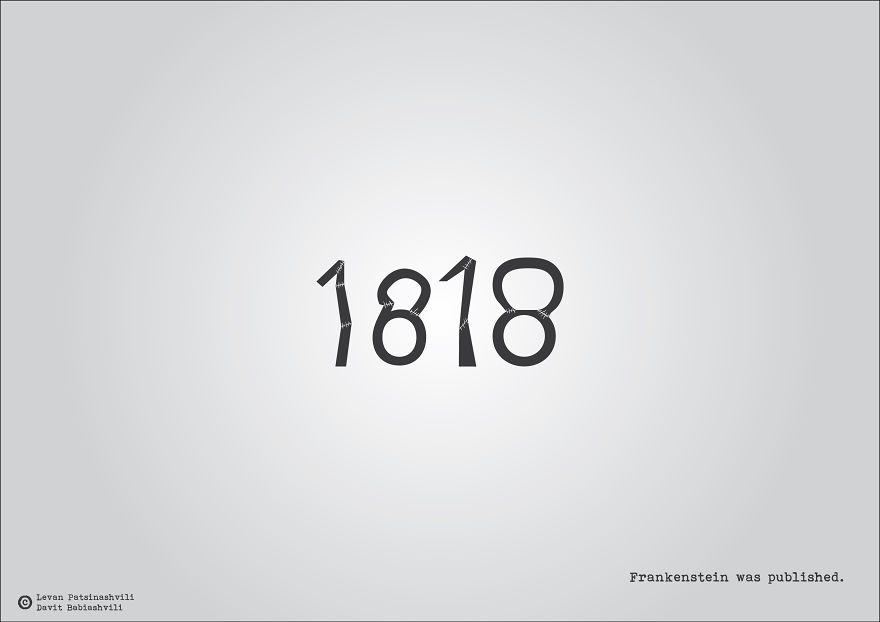
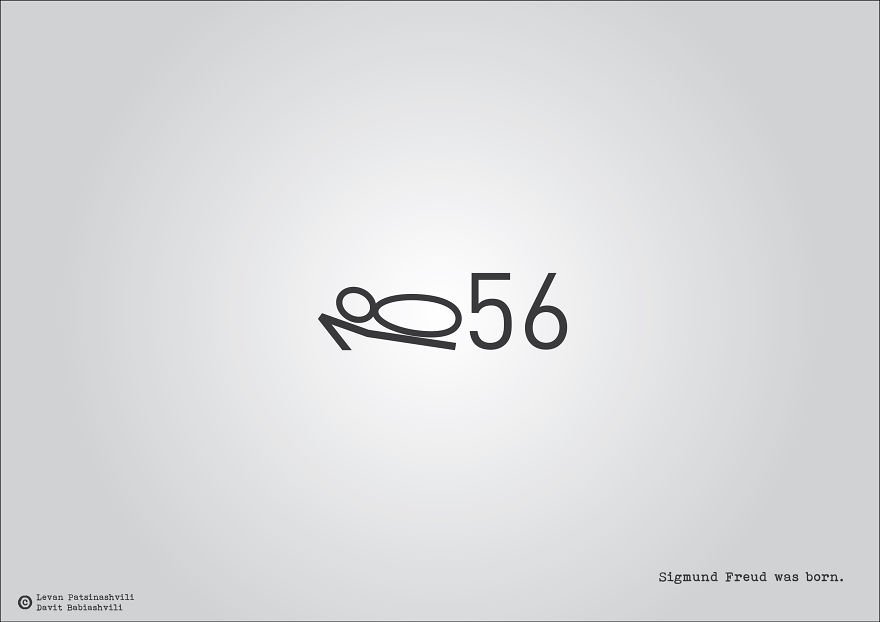
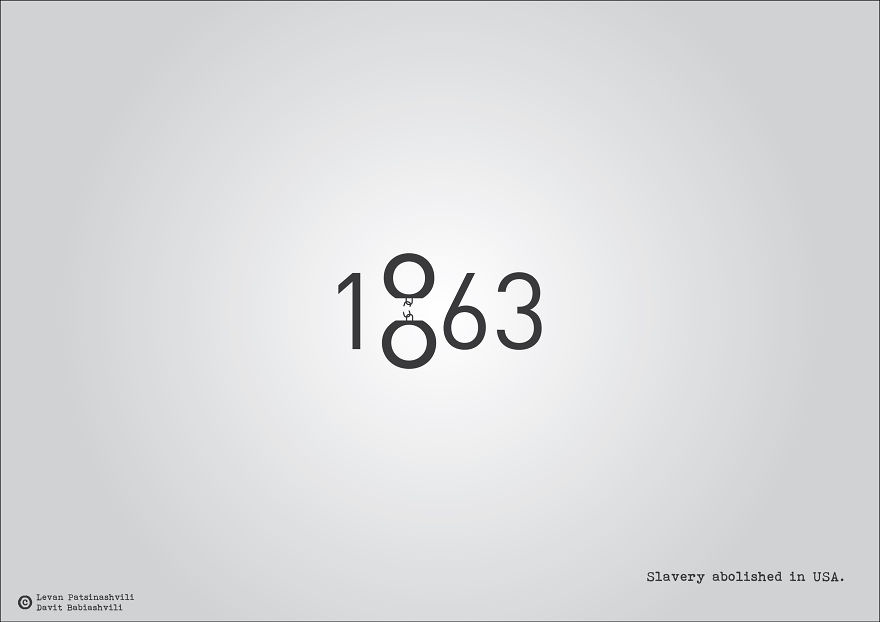
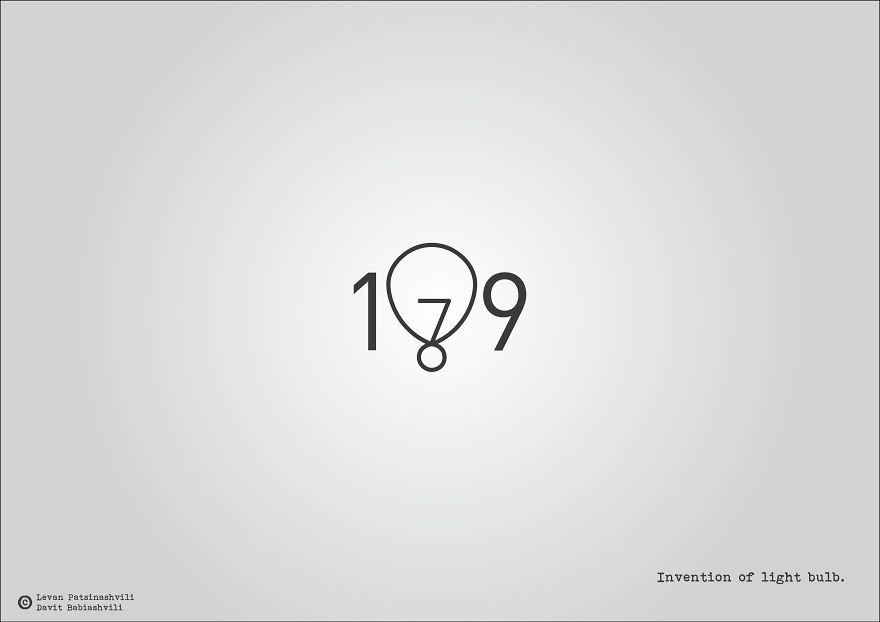
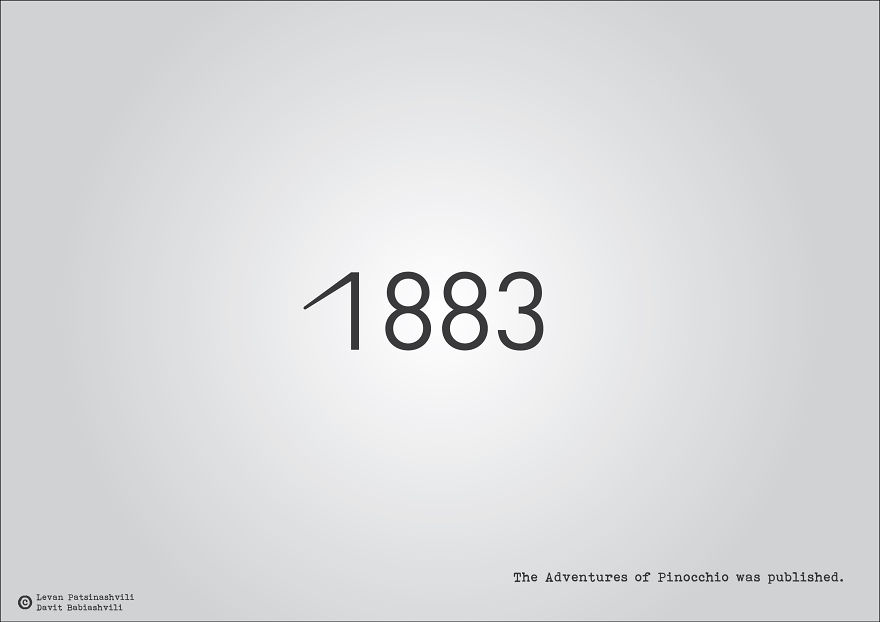
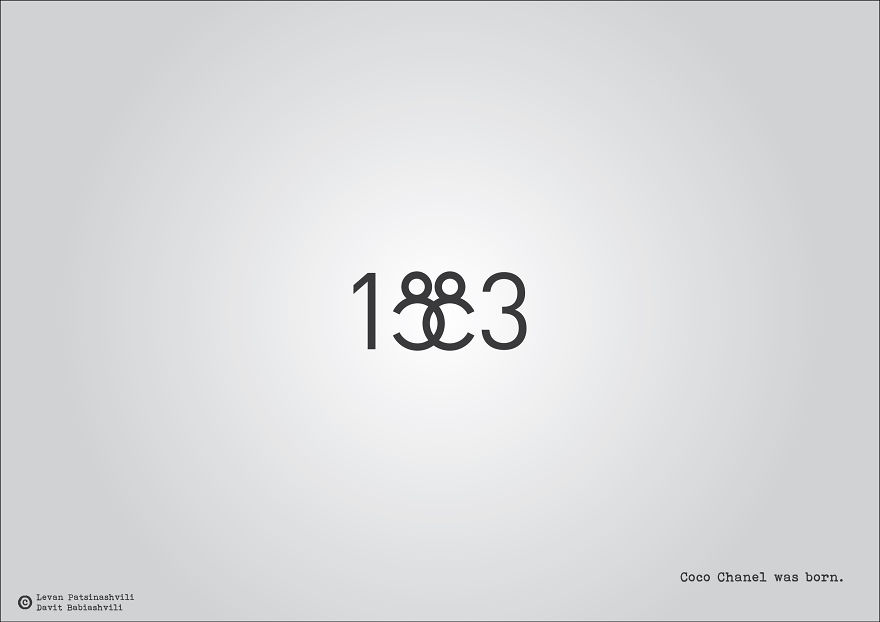
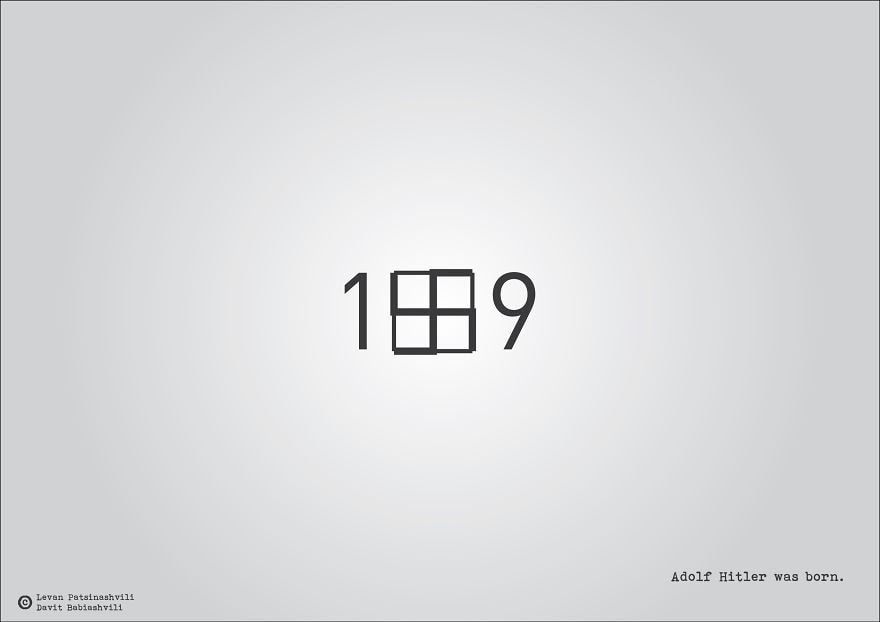
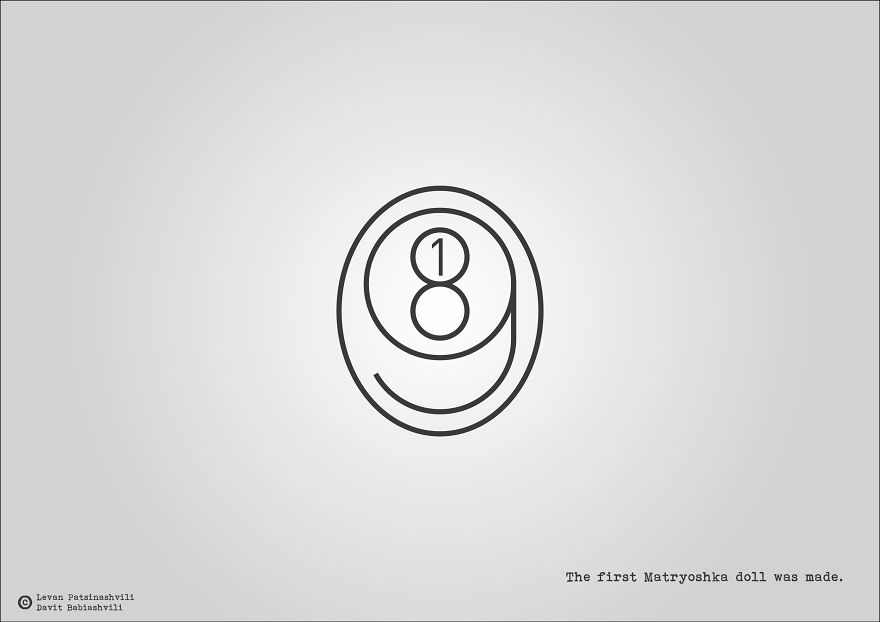
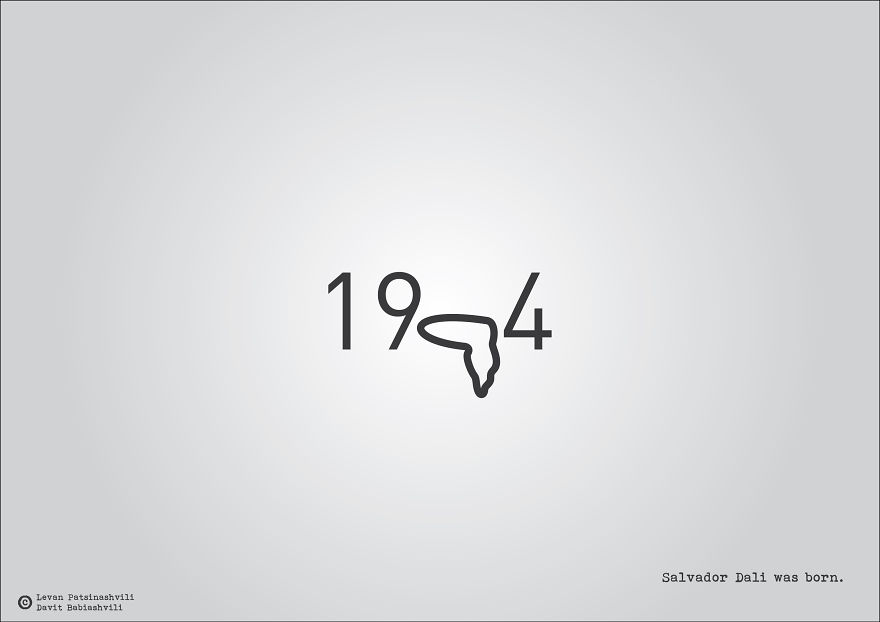
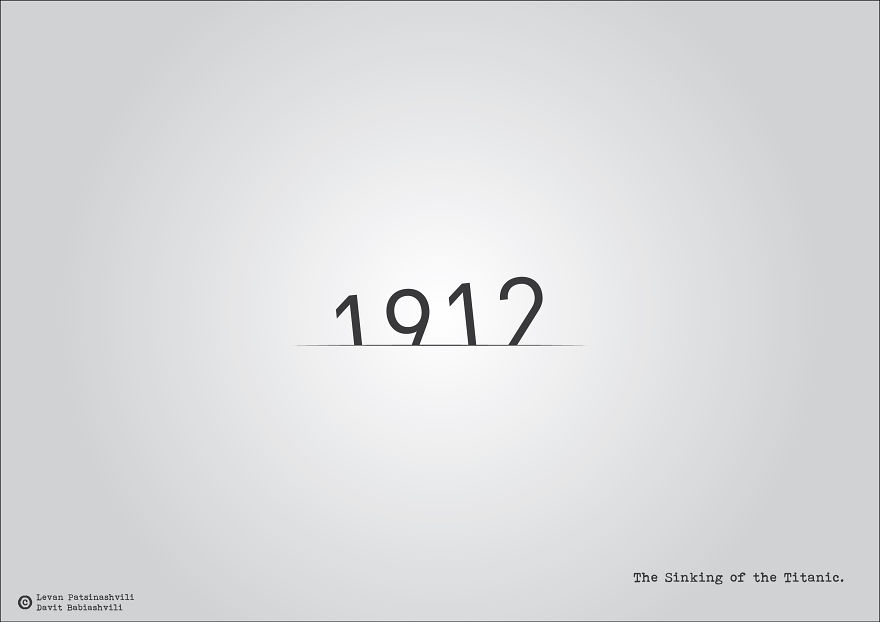
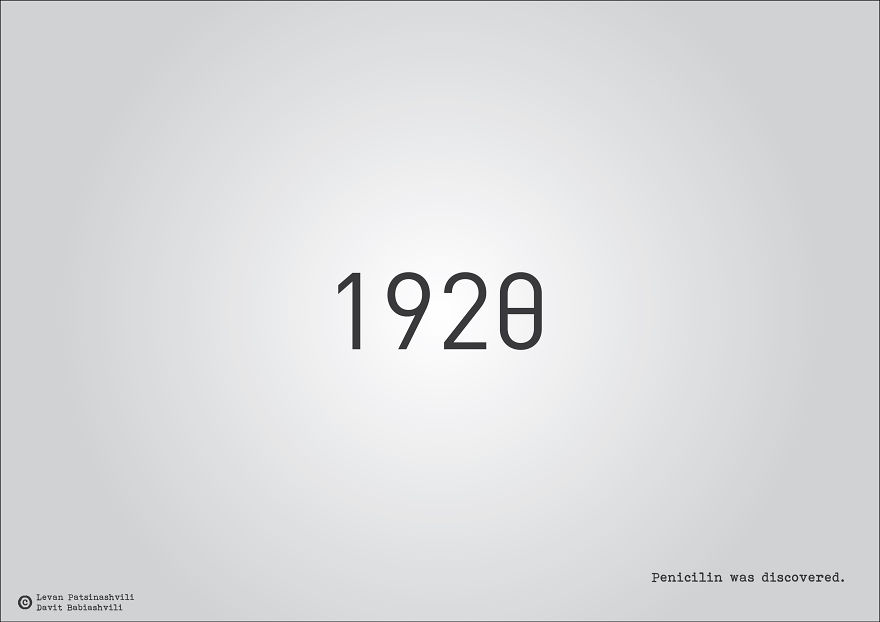
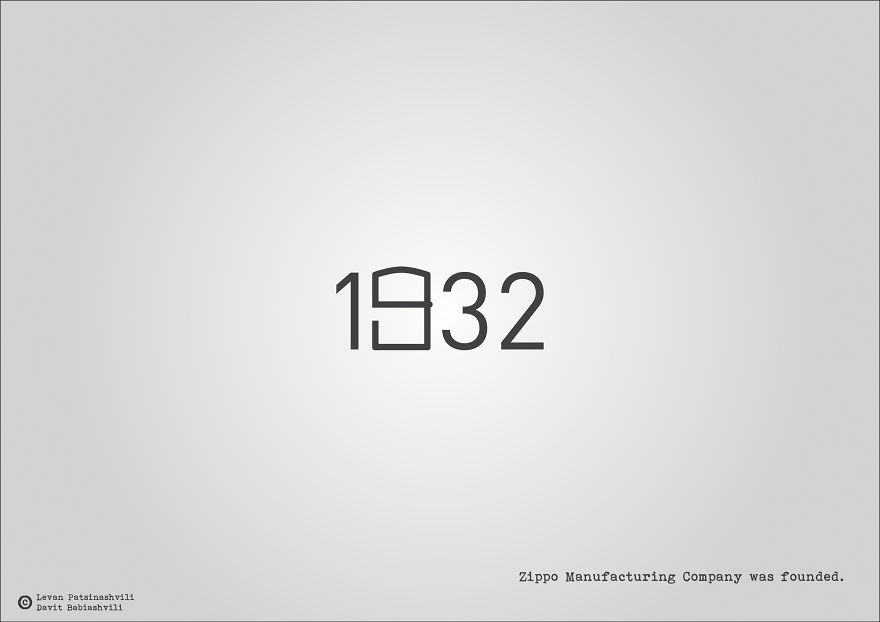
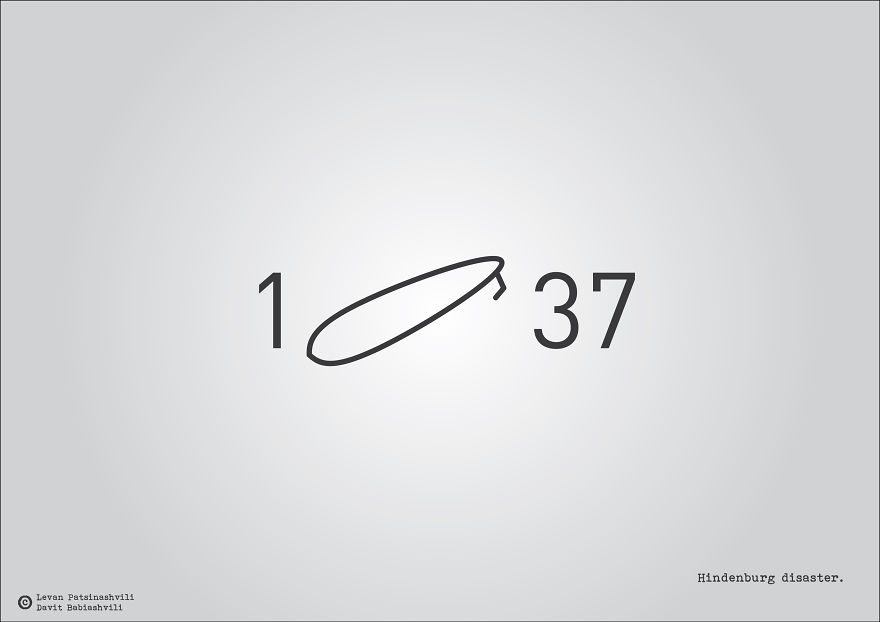
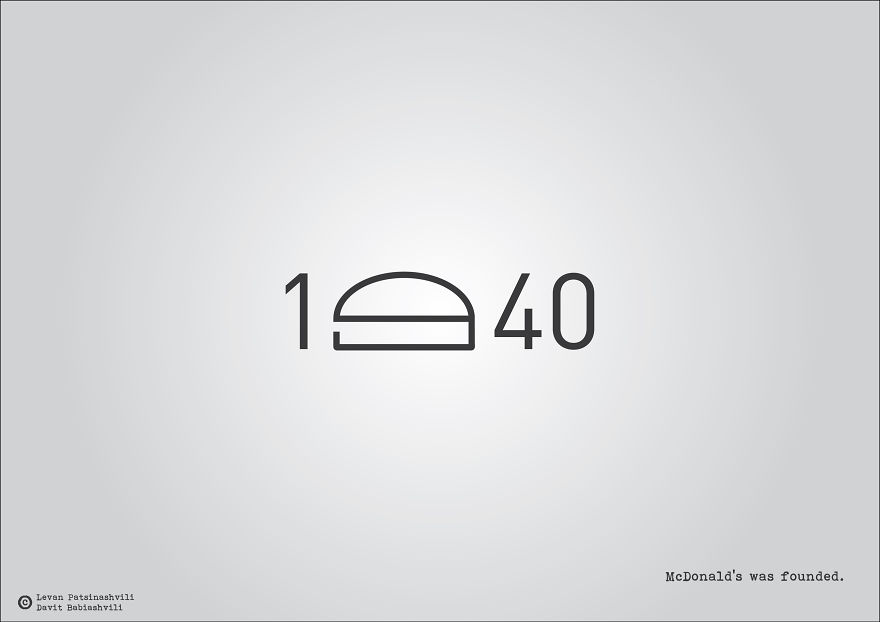
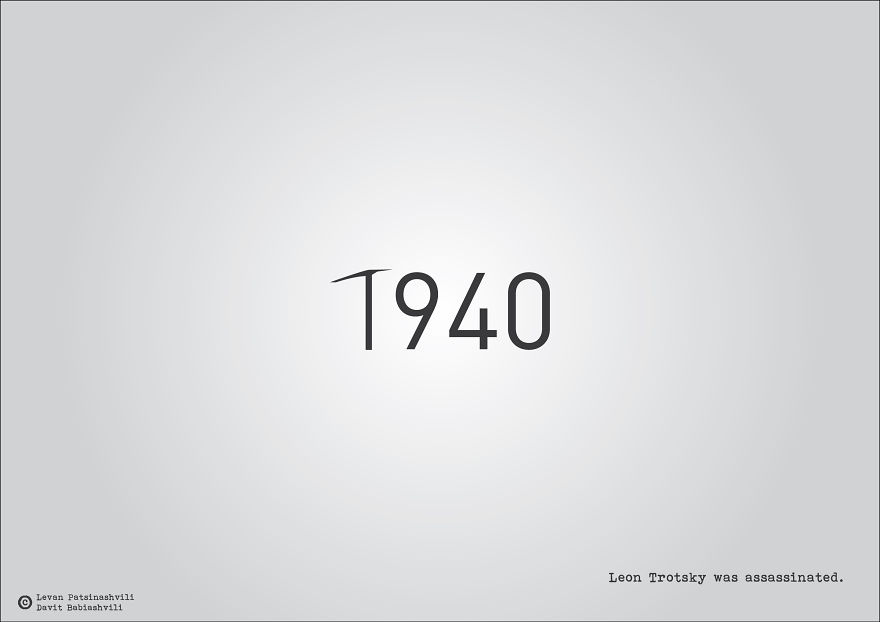
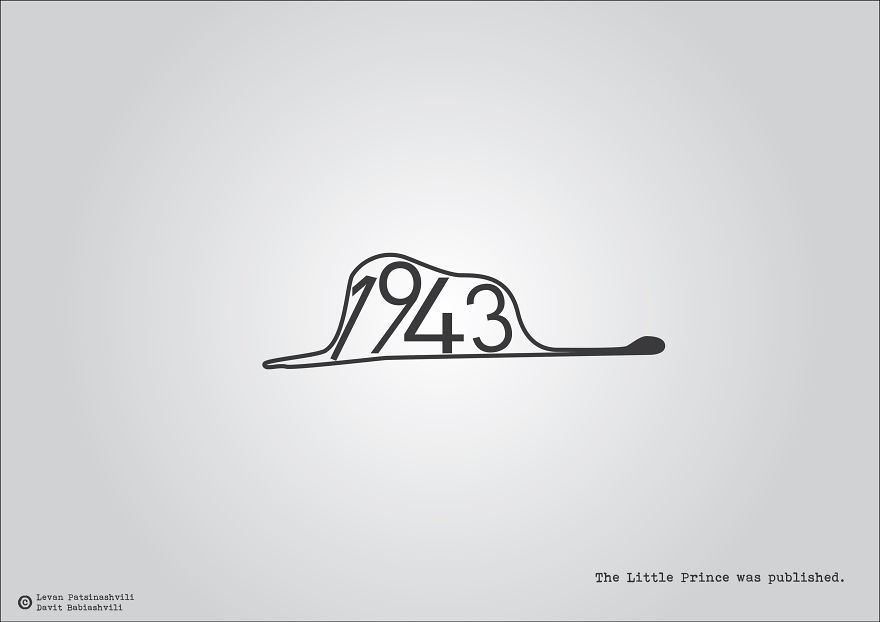
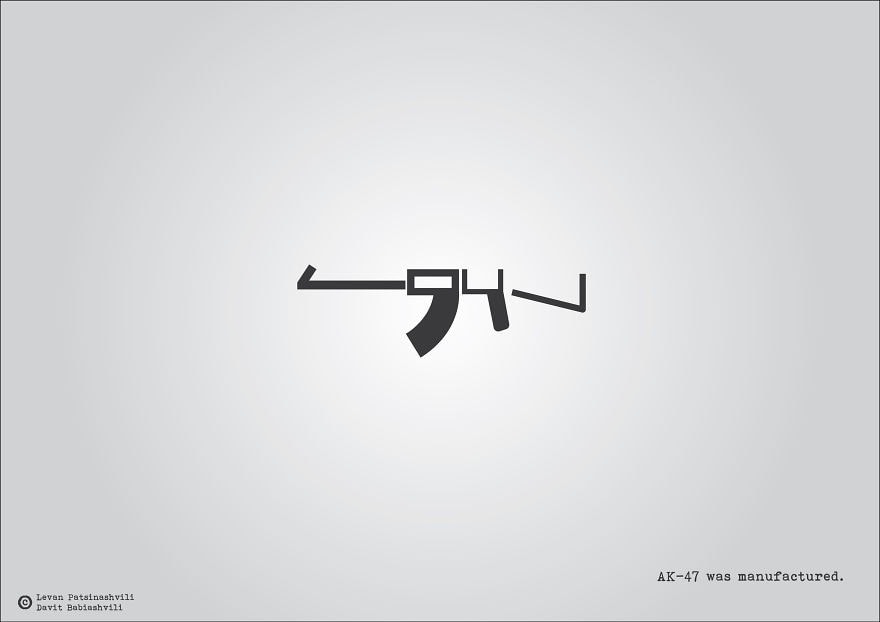
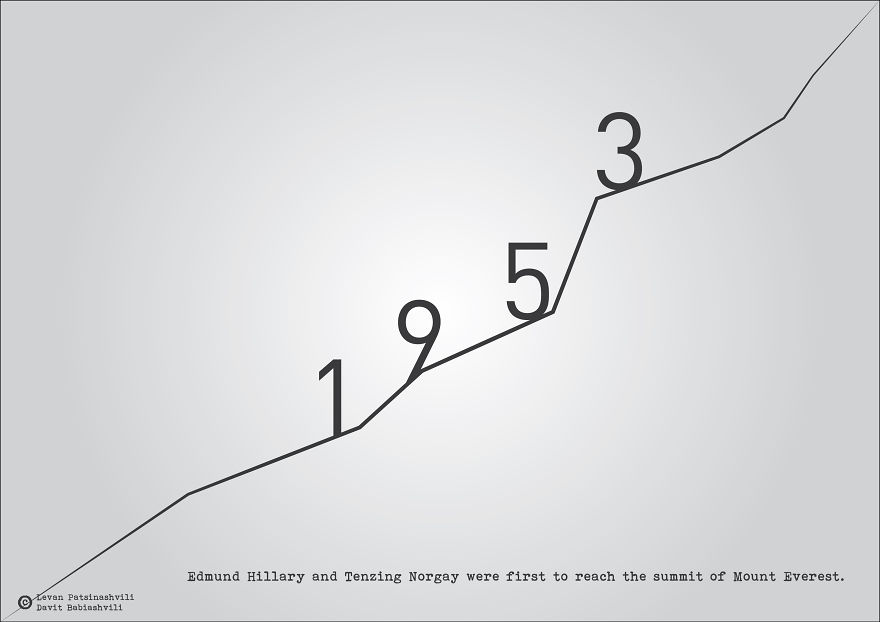
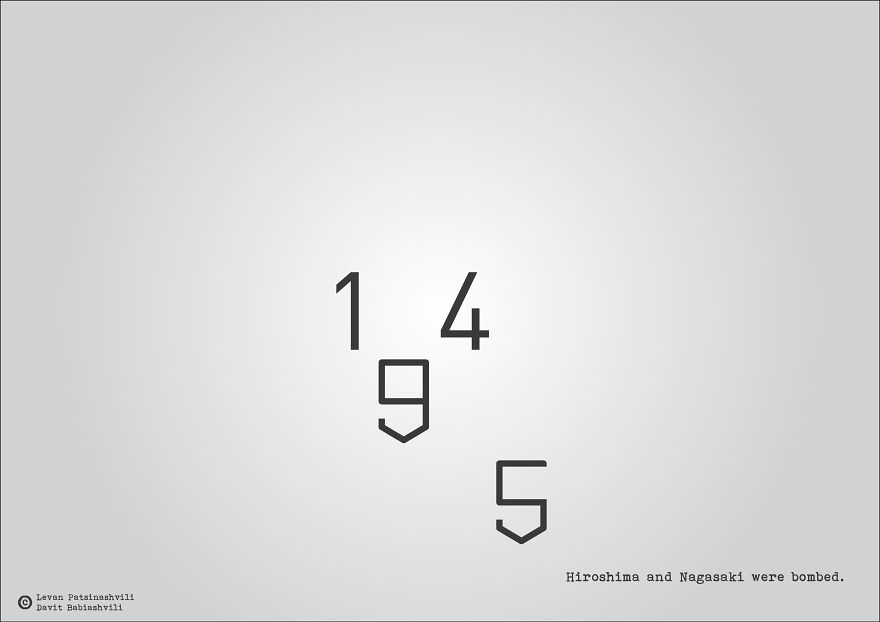
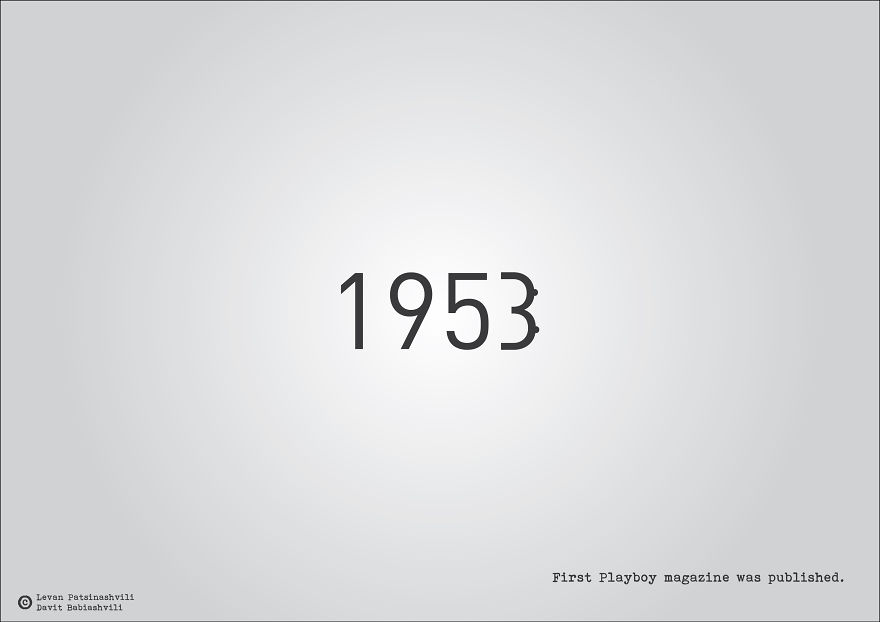
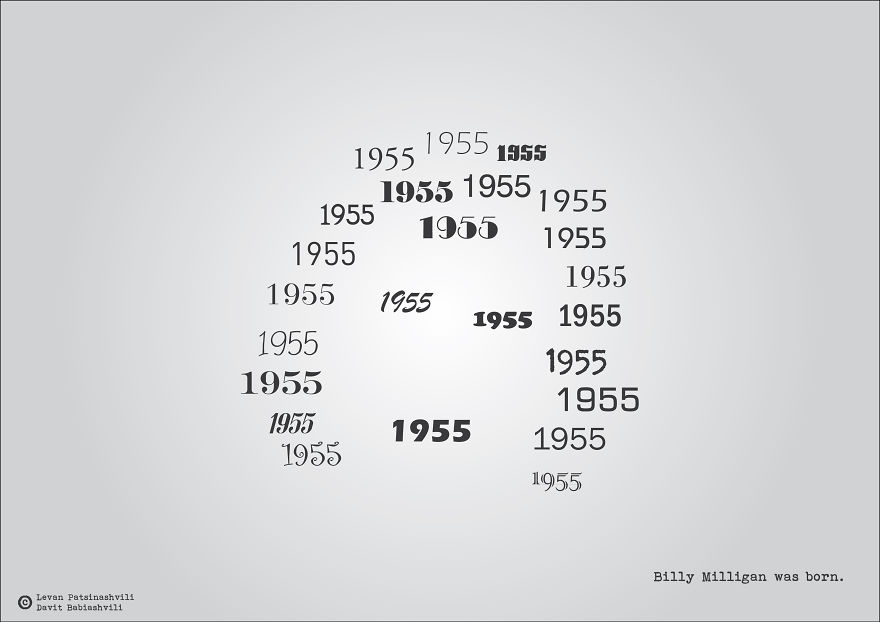
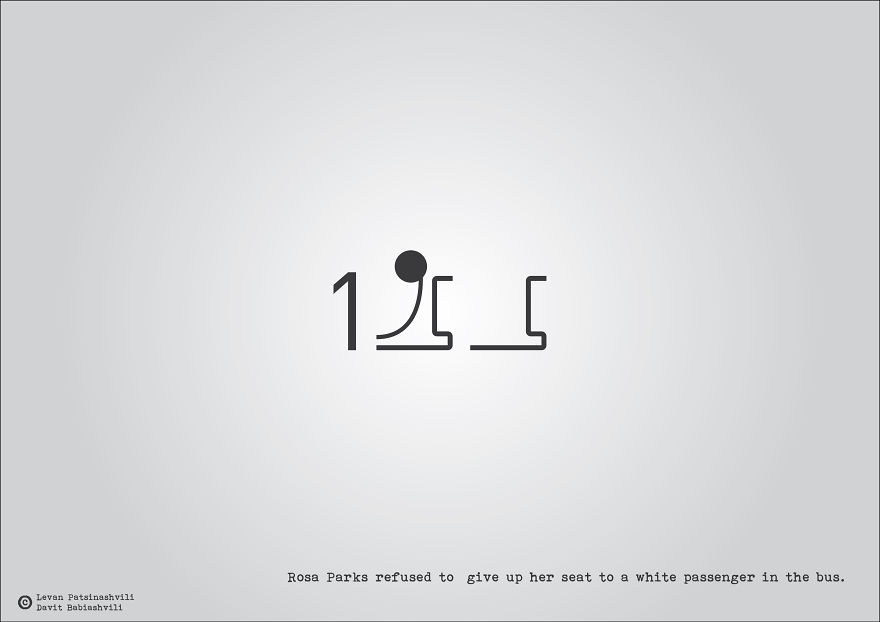
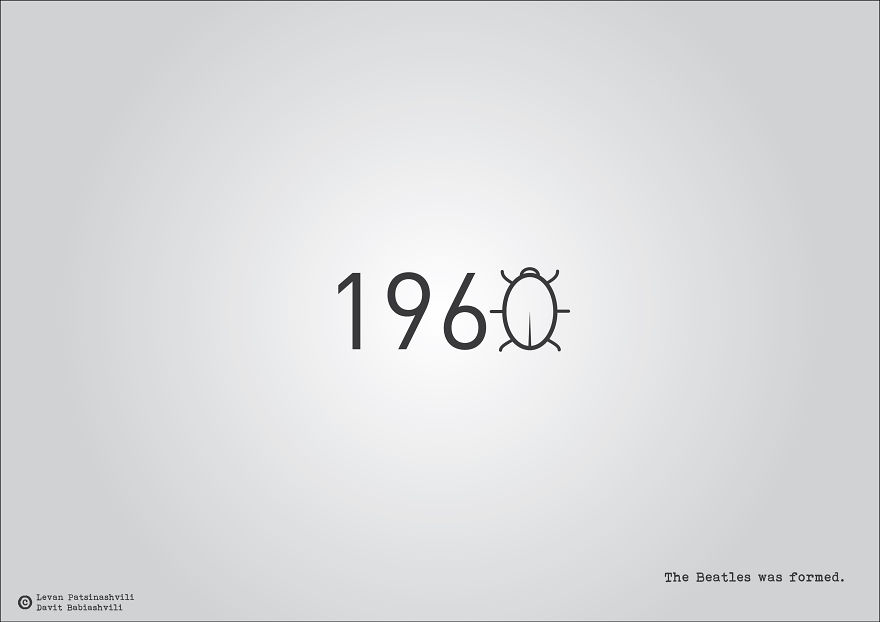
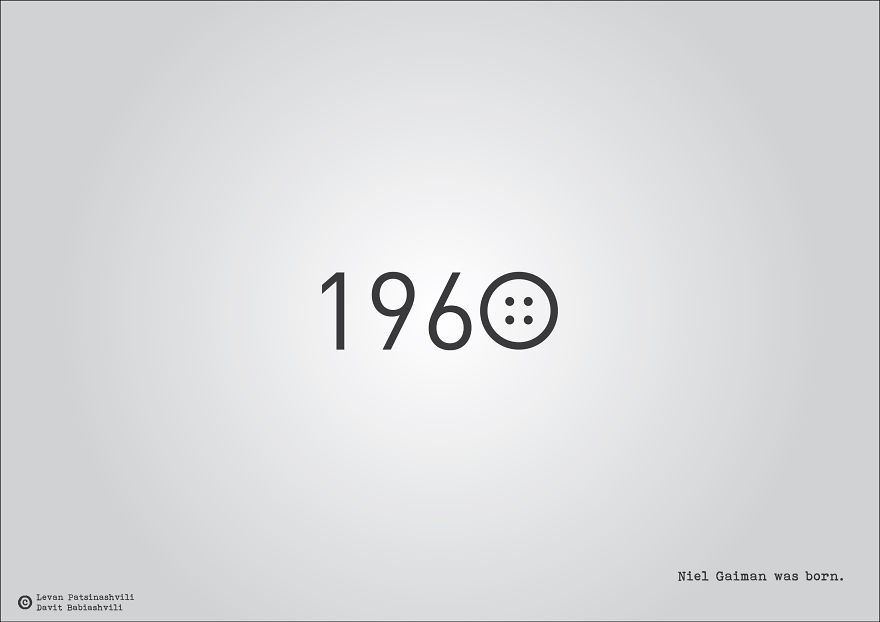
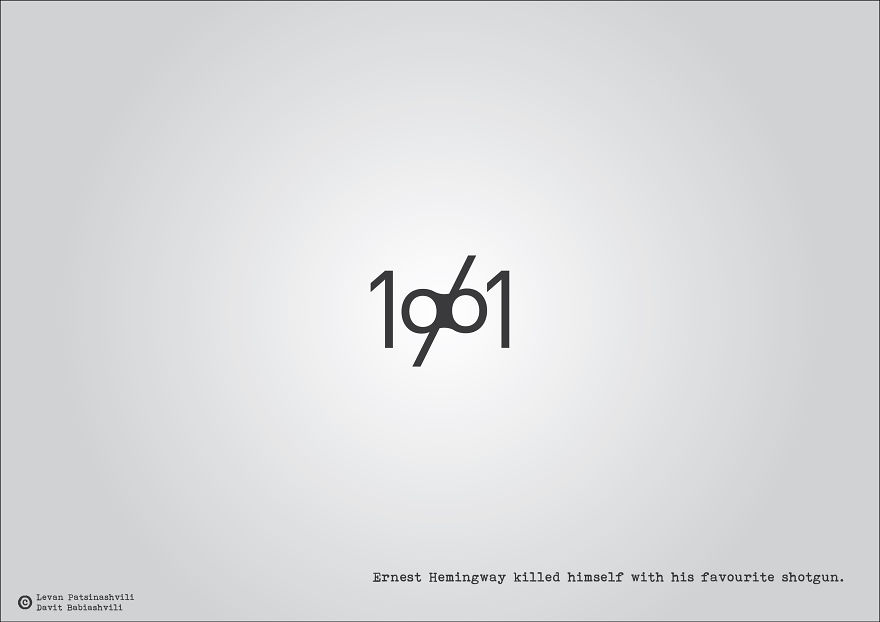
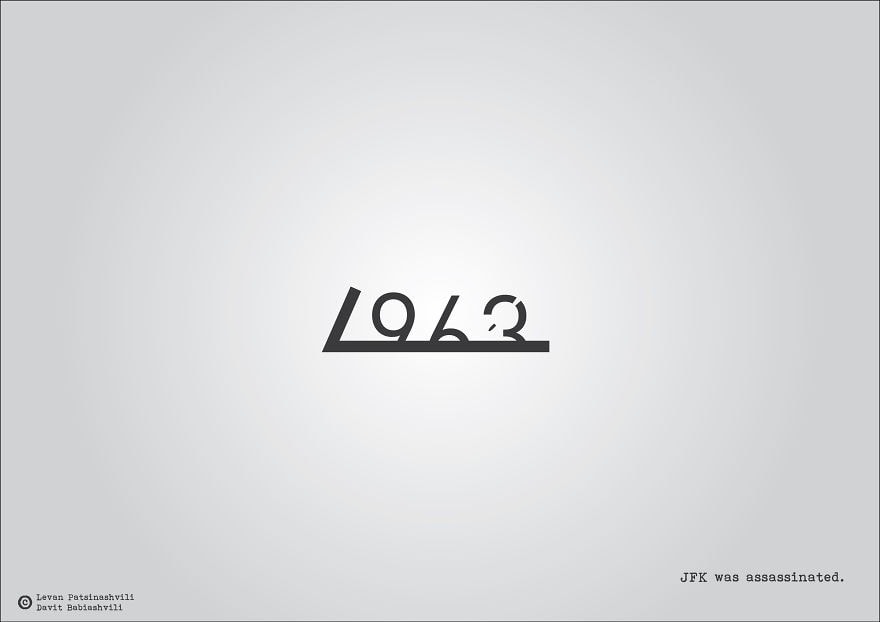
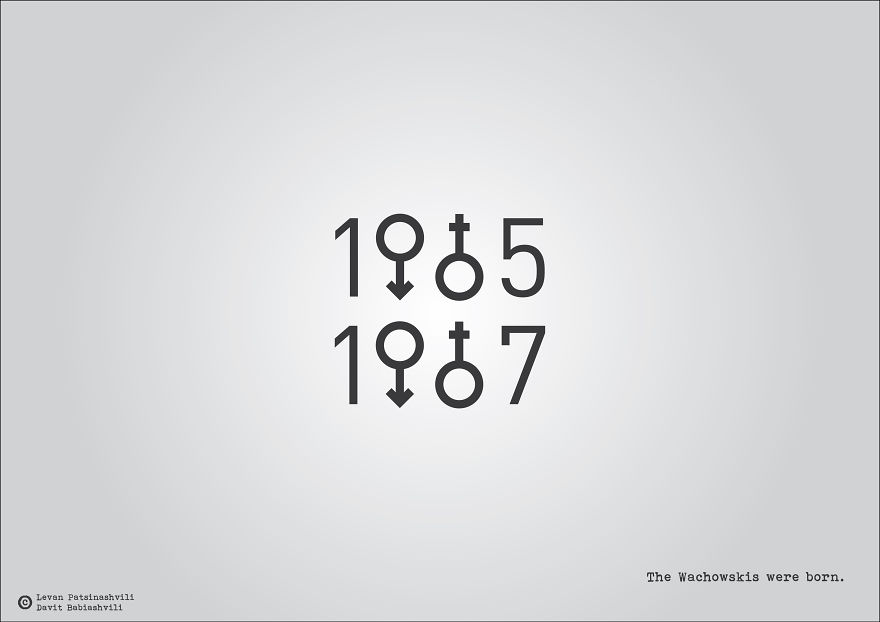
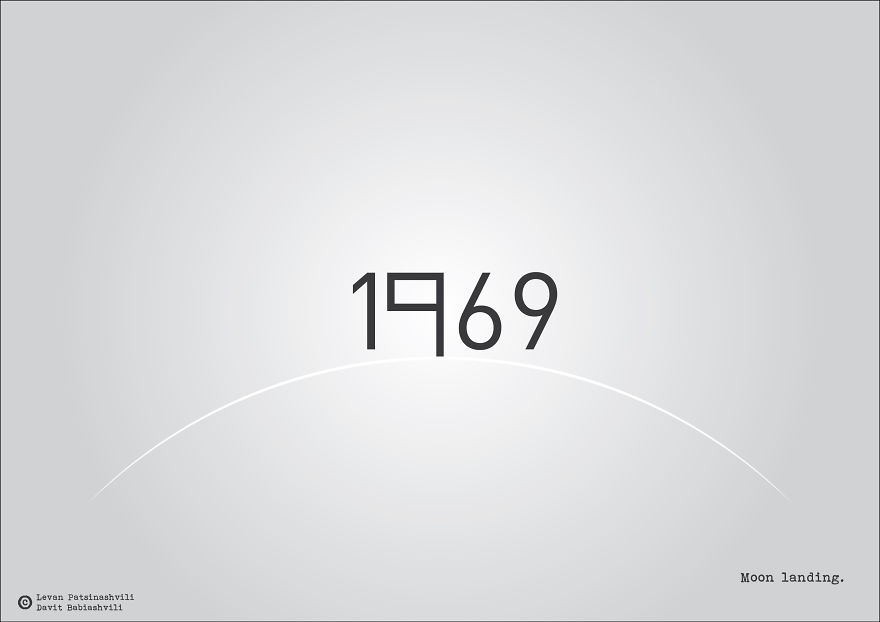
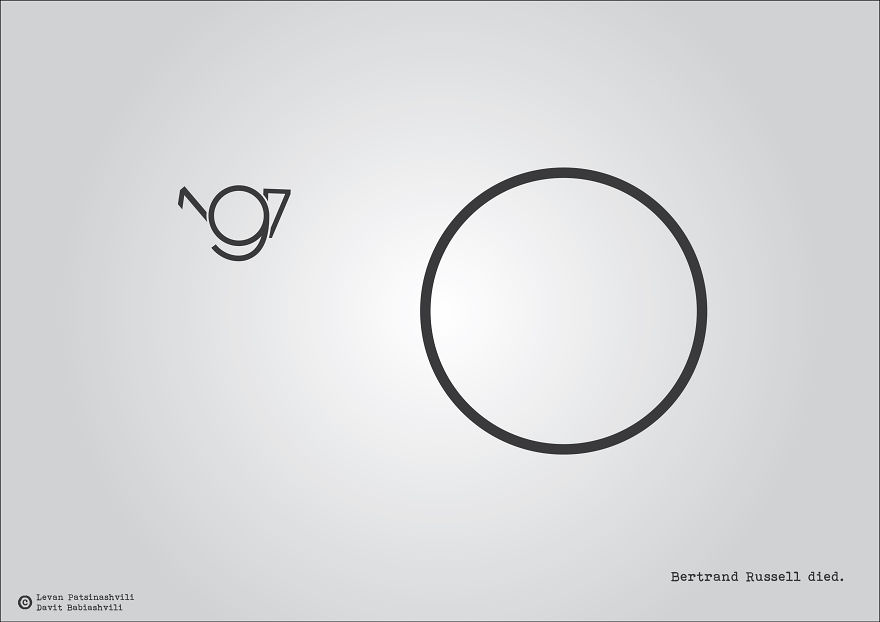
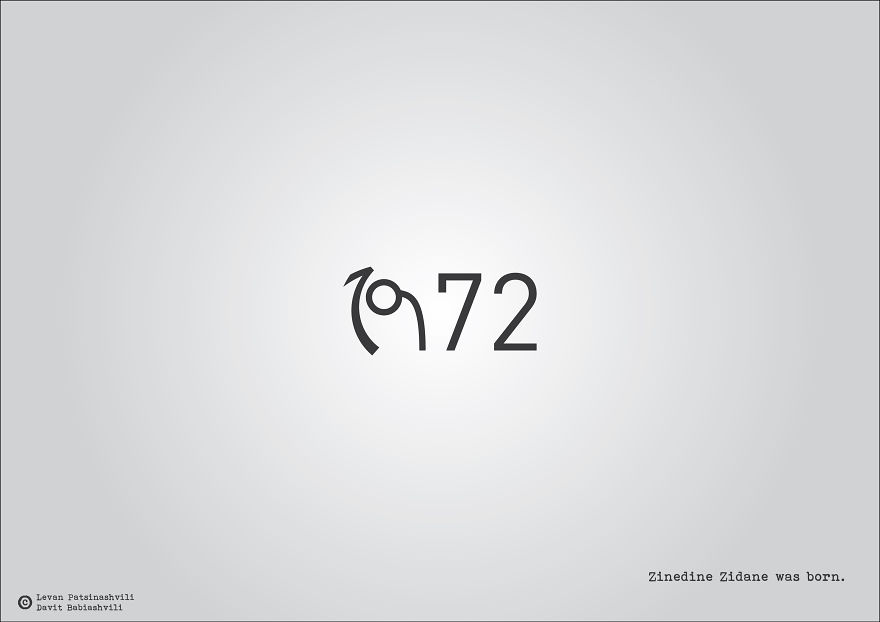
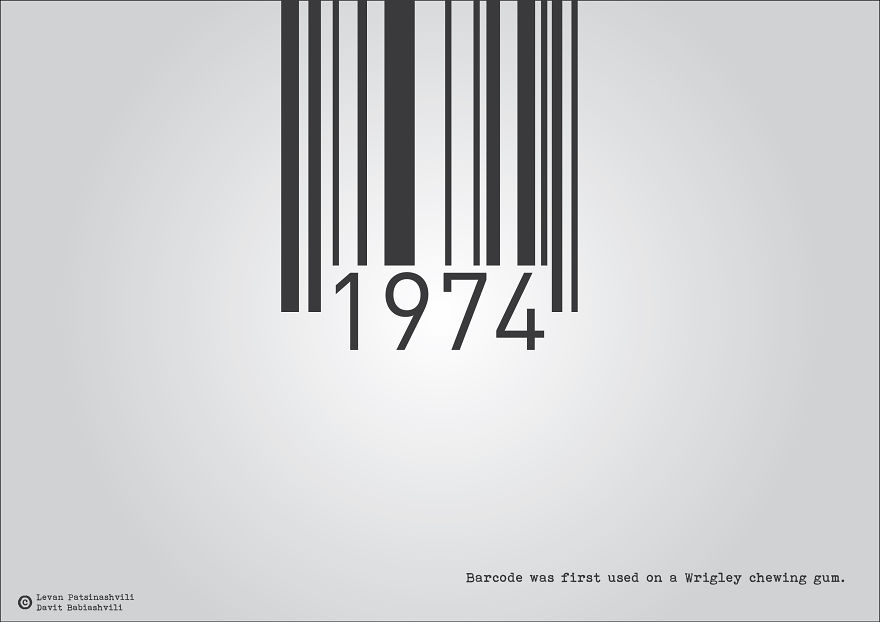
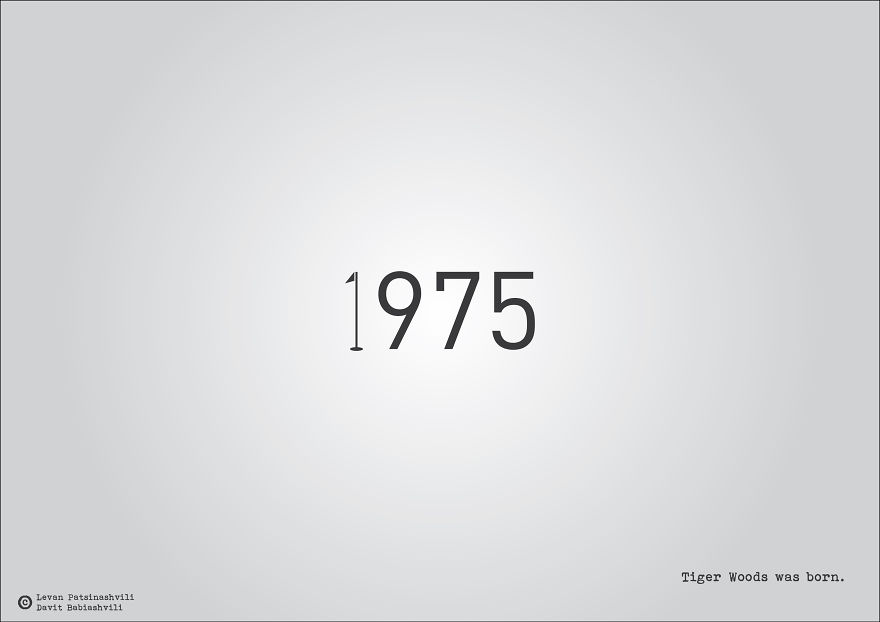
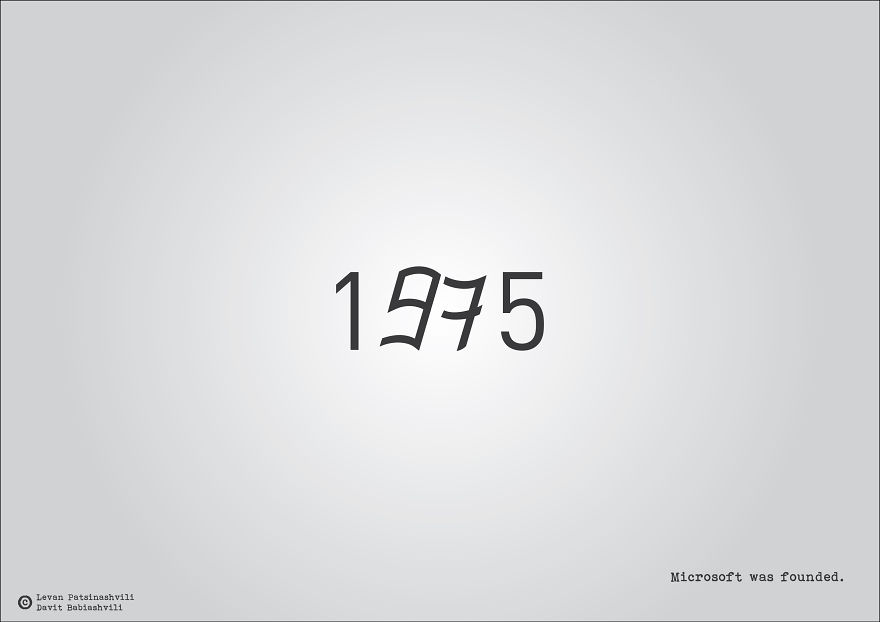
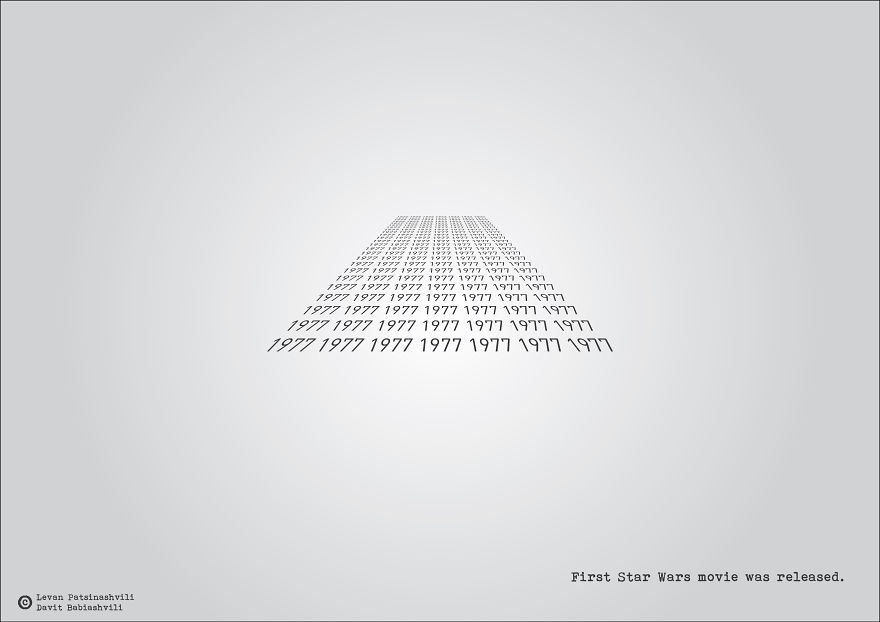
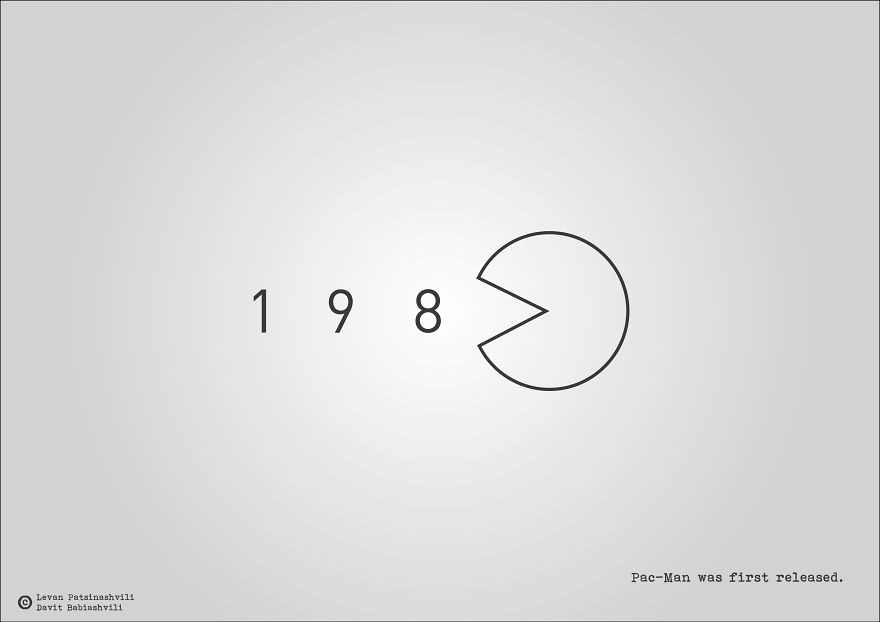
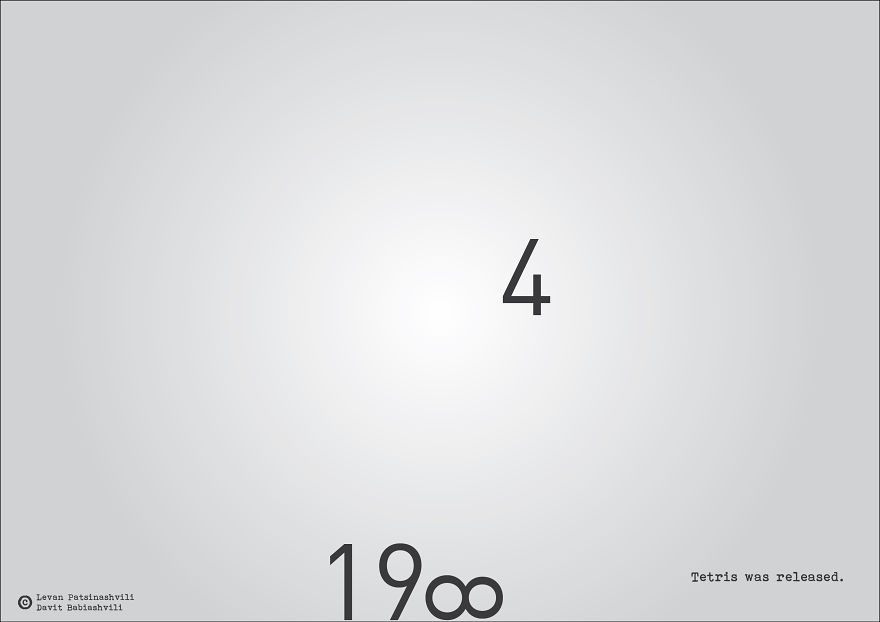
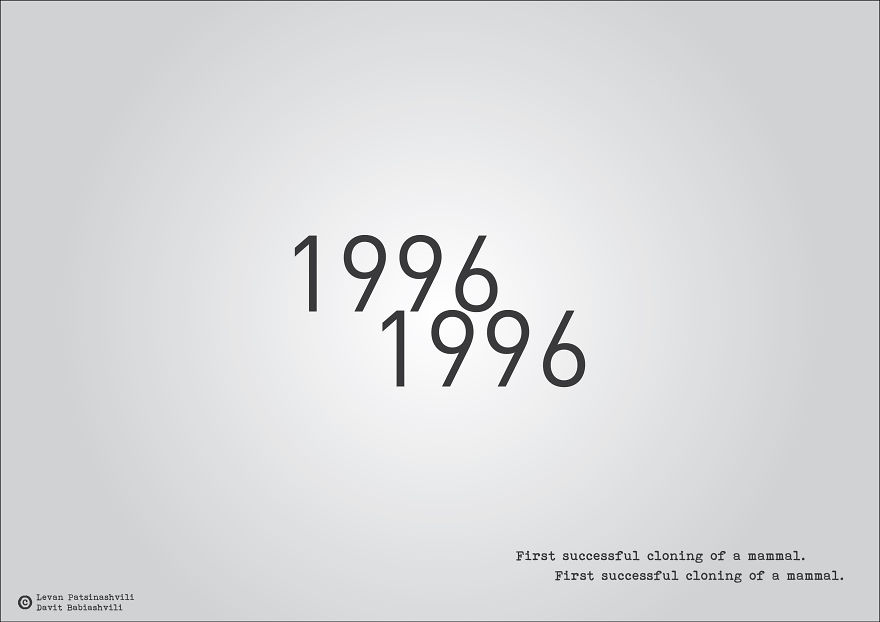
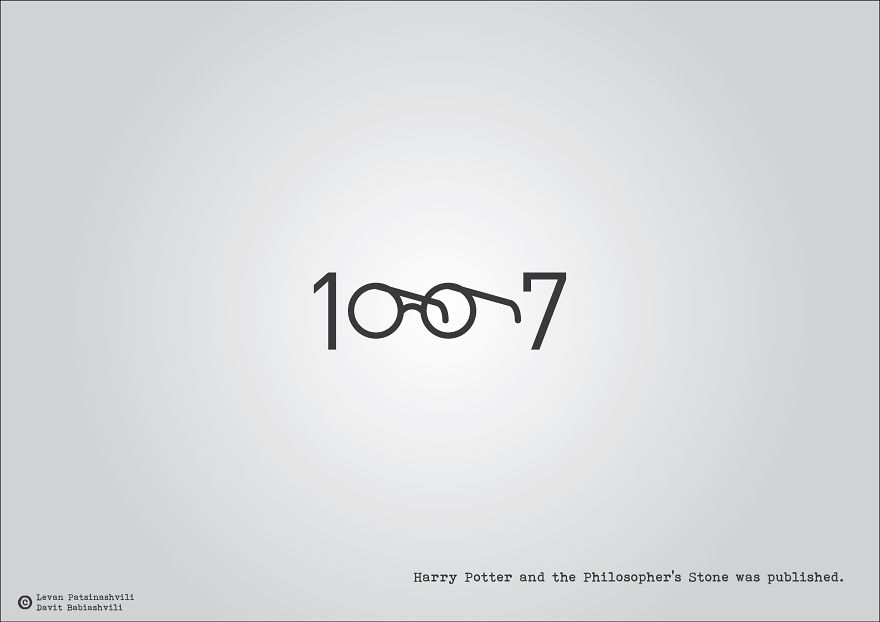
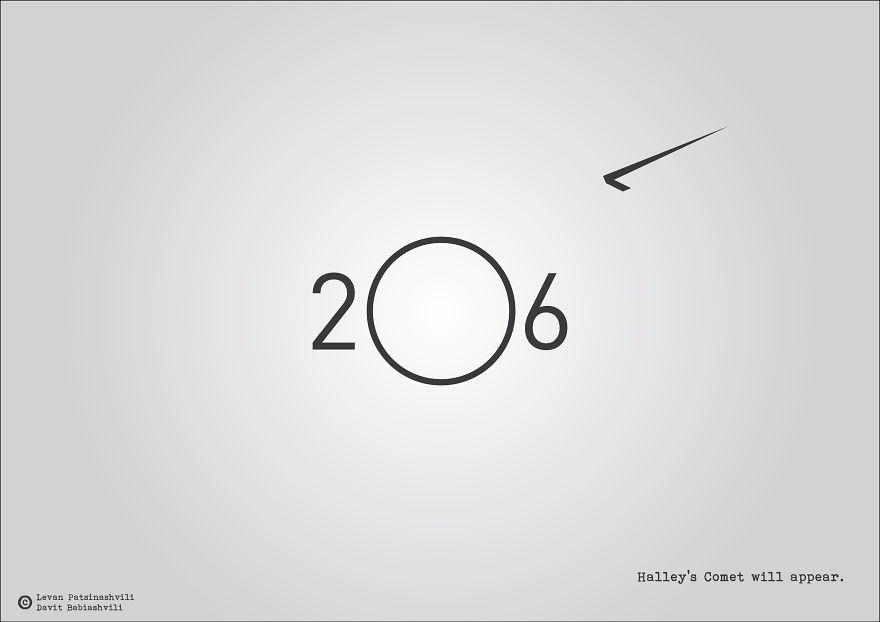
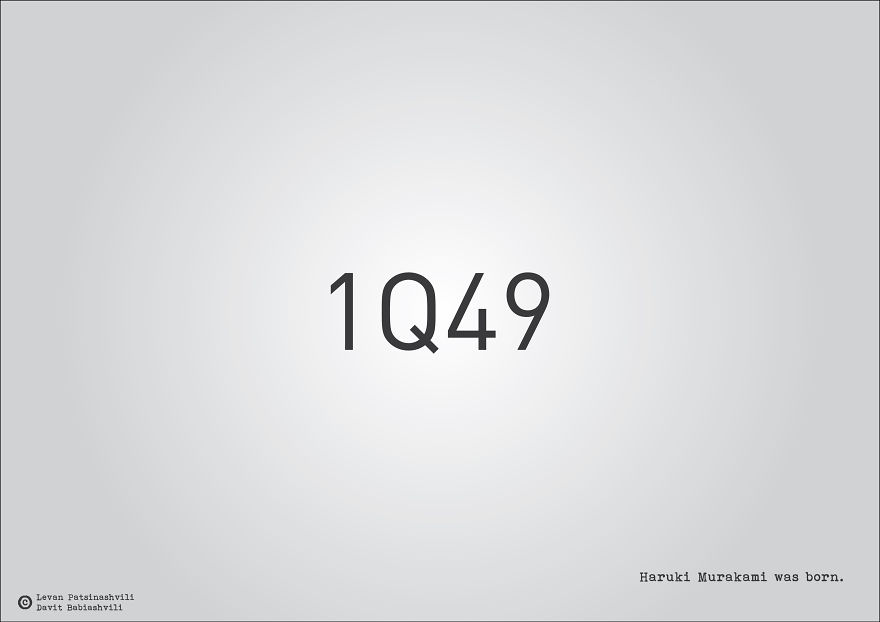
“D1G1TAL CHR0N1CLES” by the Georgean duo Levan Patsinashvili and Davit Babiashvili is a series of pictograms depicting major historical events using cleverly designed fonts. The designs are puzzling, educational, and eye-pleasing at the same time. Can you guess what happened in the years 1250, 1912, and 1975 by examining these three images?

Well, the sequence {1, 1, 2, 3, 5} is the Fibonacci sequence, and 1250 is the year the famous mathematician died. The sinking number “1912” hints that this is the year the Titanic crashed, and the funny “97” which resembles the Windows OS logo symbolizes the founding of Microsoft in 1975.

Below, we are presenting Levan and Davit’s entire series, consisting of 52 designs, in chronological order. Which ones are your favorites and how many events can you recognize?

Dr. Riesen’s Rebuses 3

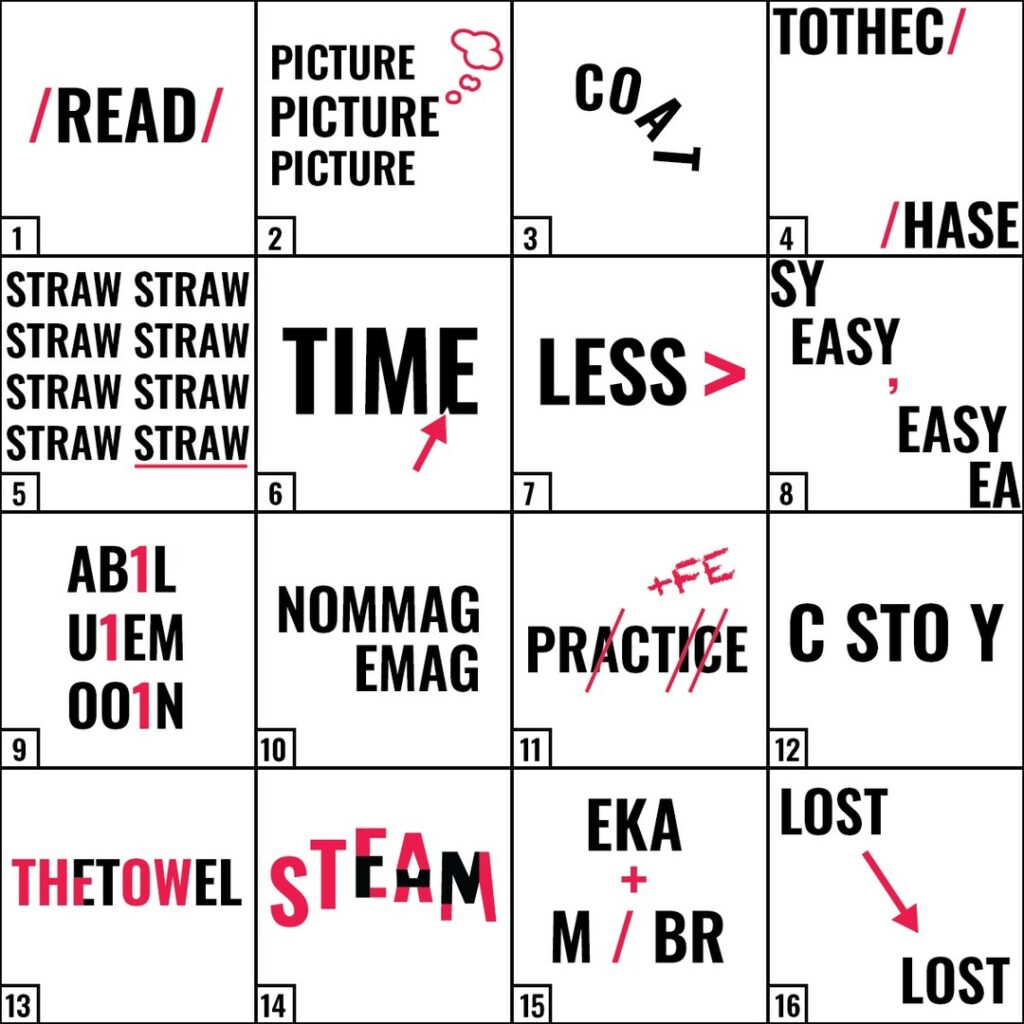
Can you figure out what common phrases these rebuses represent?

The answers are:

  1. Read between the lines
  2. Big picture thinking
  3. Turncoat
  4. Cut to the chase
  5. The last straw
  6. Nick of time
  7. Less is more
  8. Easy come, easy go
  9. Once in a blue moon
  10. Backgammon game
  11. Practice makes perfect
  12. Partial custody
  13. Throw in the towel
  14. Run out of steam
  15. Make or break
  16. Lost in translation

The Connect Game

Two friends are playing the following game:

They start with 10 nodes on a sheet of paper and, taking turns, connect any two of them which are not already connected with an edge. The first player to make the resulting graph connected loses.

Who will win the game?

Remark: A graph is “connected” if there is a path between any two of its nodes.

The first player has a winning strategy.

His strategy is with each turn to keep the graph connected, until a single connected component of 6 or 7 nodes is reached. Then, his goal is to make sure the graph ends up with either connected components of 8 and 2 nodes (8-2 split), or connected components of 6 and 4 nodes (6-4 split). In both cases, the two players will have to keep connecting nodes within these components, until one of them is forced to make the graph connected. Since the number of edges in the components is either C^8_2+C^2_2=29, or C^6_2+C^4_2=21, which are both odd numbers, Player 1 will be the winner.

Once a single connected component of 6 or 7 nodes is reached, there are multiple possibilities:

  1. The connected component has 7 nodes and Player 2 connects it to one of the three remaining nodes. Then, Player 1 should connect the remaining two nodes with each other and get an 8-2 split.
  2. The connected component has 7 nodes and Player 2 connects two of the three remaining nodes with each other. Then, Player 1 should connect the large connected component to the last remaining node and get an 8-2 split.
  3. The connected component has 7 nodes and Player 2 makes a connection within it. Then, Player 1 also must connect two nodes within the component. Since the number of edges in a complete graph with seven nodes is C^7_2=21, eventually Player 2 will be forced to make a move of type 1 or 2.
  4. The connected component has 6 nodes and Player 2 connects it to one of the four remaining nodes. Then, Player 1 should make a connection within the connected seven nodes and reduce the game to cases 1 to 3 above.
  5. The connected component has 6 nodes and Player 2 connects two of the four remaining nodes. Then, Player 1 should connect the two remaining nodes with each other. The game is reduced to a 6-2-2 split which eventually will turn into either an 8-2 split, or a 6-4 split. In both cases Player 1 will win, as explained above.

Glow and Shine

There is a property that applies to all words in the first list and to none in the words in the second list. What is it?

  • GLOW, ALMOST, BIOPSY, GHOST, EMPTY, BEGIN
  • SHINE, BARELY, VIVISECTION, APPARITION, VACANT, START

The words in the first list are called “Abecederian”, i.e. their letters are in alphabetical order.

Napoleon and the Policemen

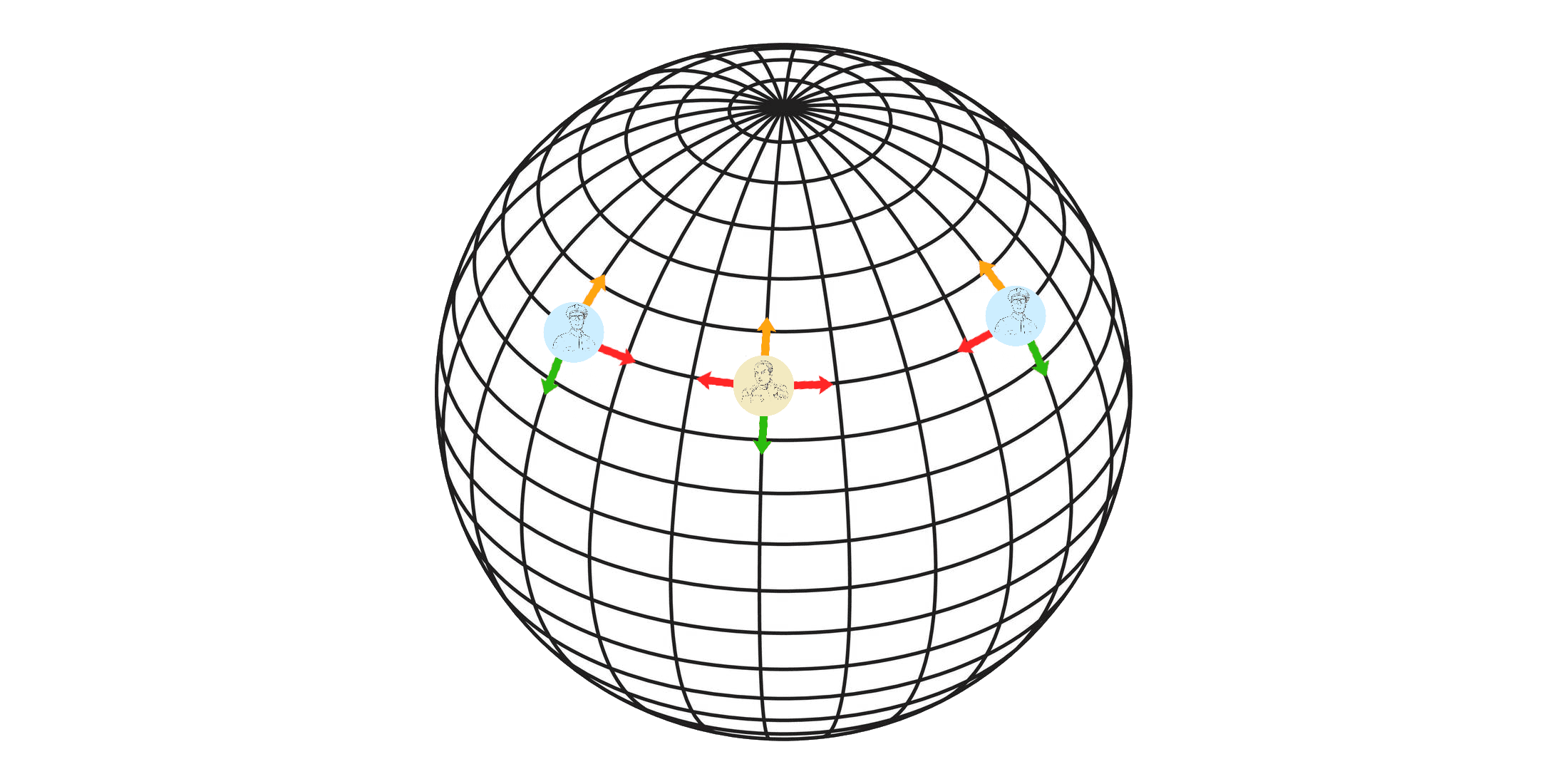
Napoleon has landed on a deserted planet with only two policemen on it. He is traveling around the planet, painting a red line as he goes. When Napoleon creates a loop with red paint, the smaller of the two encompassed areas is claimed by him. The policemen are trying to restrict the land Napoleon claims as much as possible. If they encounter him, they arrest him and take him away. Can you prove that the police have a strategy to stop Napoleon from claiming more than 25% of the planet’s surface?

We assume that Napoleon and the police are moving at the same speed, making decisions in real time, and fully aware of everyone’s locations.

First, we choose an axis, so that Napoleon and the two policemen lie on a single parallel. Then, the strategy of the two policemen is to move with the same speed as Napoleon, keeping identical latitudes as his at all times, and squeezing him along the parallel between them.

In order to claim 25% of the planet’s surface, Napoleon must travel at least 90°+90°=180° in total along the magnitudes. Therefore, during this time the policemen would travel 180° along the magnitudes each and catch him.