Sunome Puzzles

Review

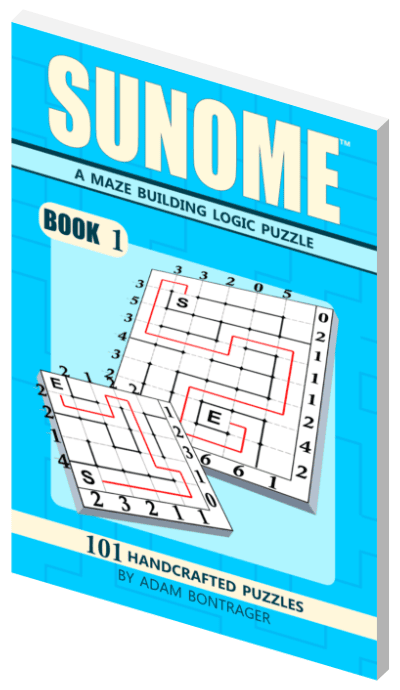
Sunome is a new logic puzzle, invented by Adam Bontrager. The name is an abbreviation of “Suji no meiro” which means “digit maze” in Japanese.

Sunome puzzles come in the form of a grid with numbers on the sides, and a Start (S) and End (E) cells inside. The goal is to design a “proper” maze with the given Start and End cells, such that the amount of vertical and horizontal walls in each row and column is predetermined by the numbers around the grid. The meaning of “proper” involves a lot of technical requirements, such as existence of a unique path from Start to End, lack of closed off regions, etc.
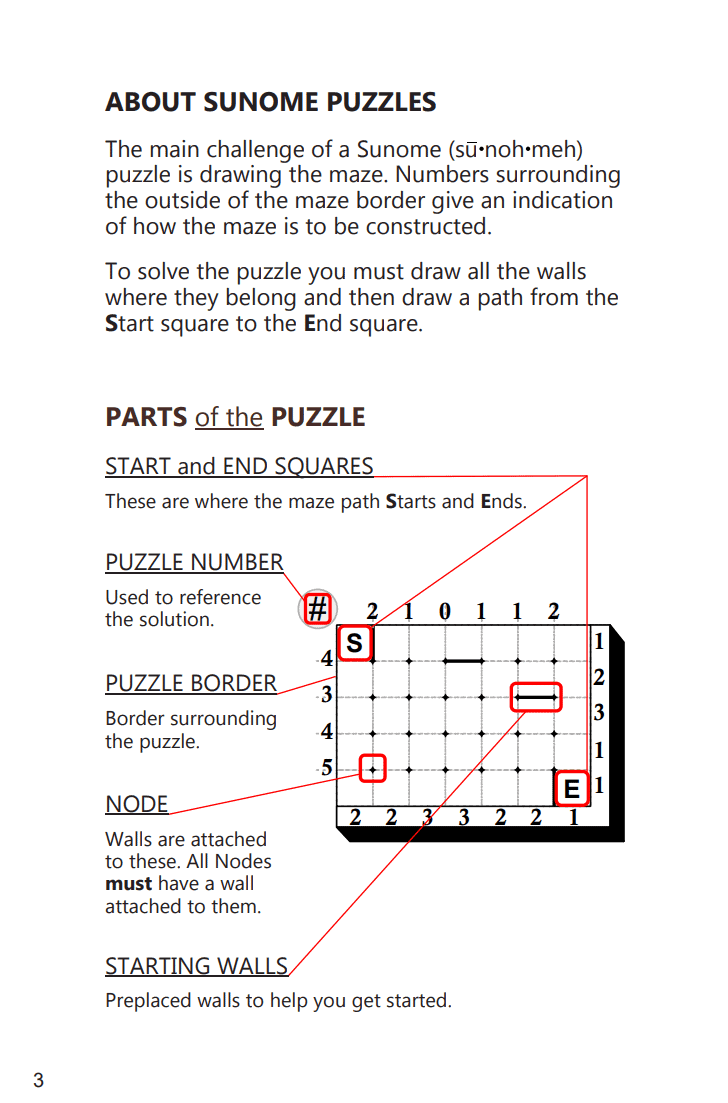
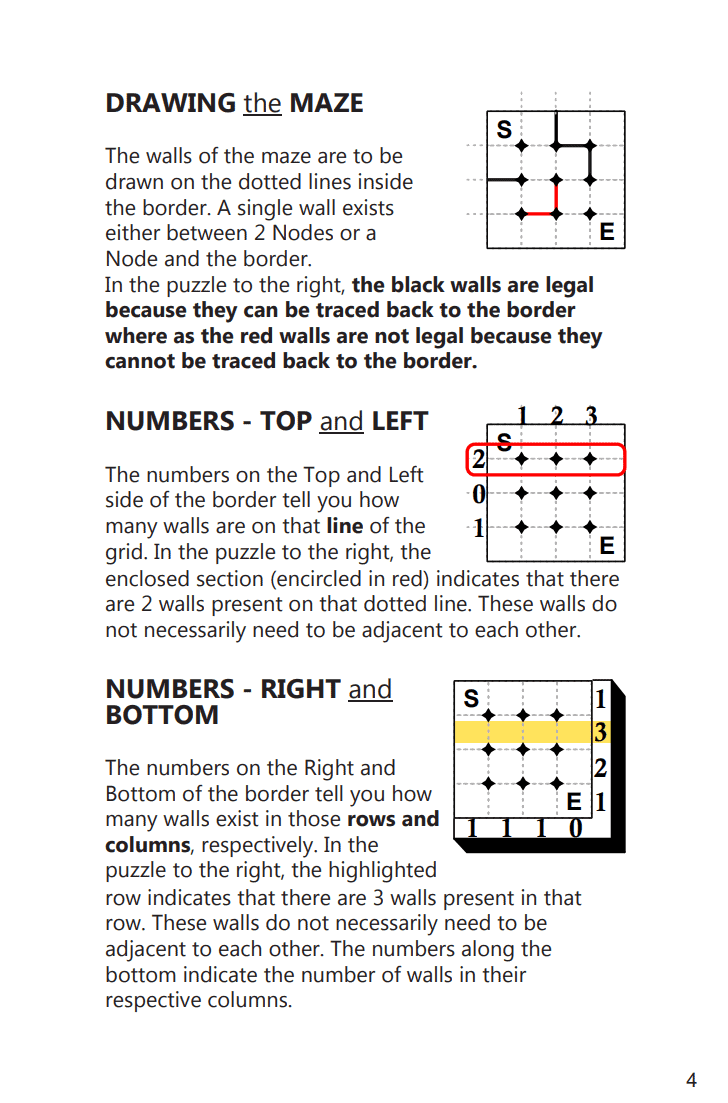
Initially, the rules of Sunome seem relatively complex in comparison to the likes of Sudoku and Kakuro. However, it takes little time to get a good grasp of them. The clues regarding the number of walls in the rows and columns are the ones used mostly, just like in a Nonogram. Once the player gets stuck, they need to apply some of the other rules, which unlock the solving process further. Overall, I find the experience highly enjoyable, since it requires paying attention to multiple components at once.

Each puzzle in the Sunome books is manually designed, so that the solution can be deduced analytically, without the need of a trial-and-error approach. The difficulty is generally lower than Sudoku and Kakuro which allows the player to complete a few puzzles in a 10 to 20 minutes long break and get back to working on other things.

While the original Sunome puzzles would hardly get boring, the author makes sure new puzzle mechanics are introduced in each successive book in the series:

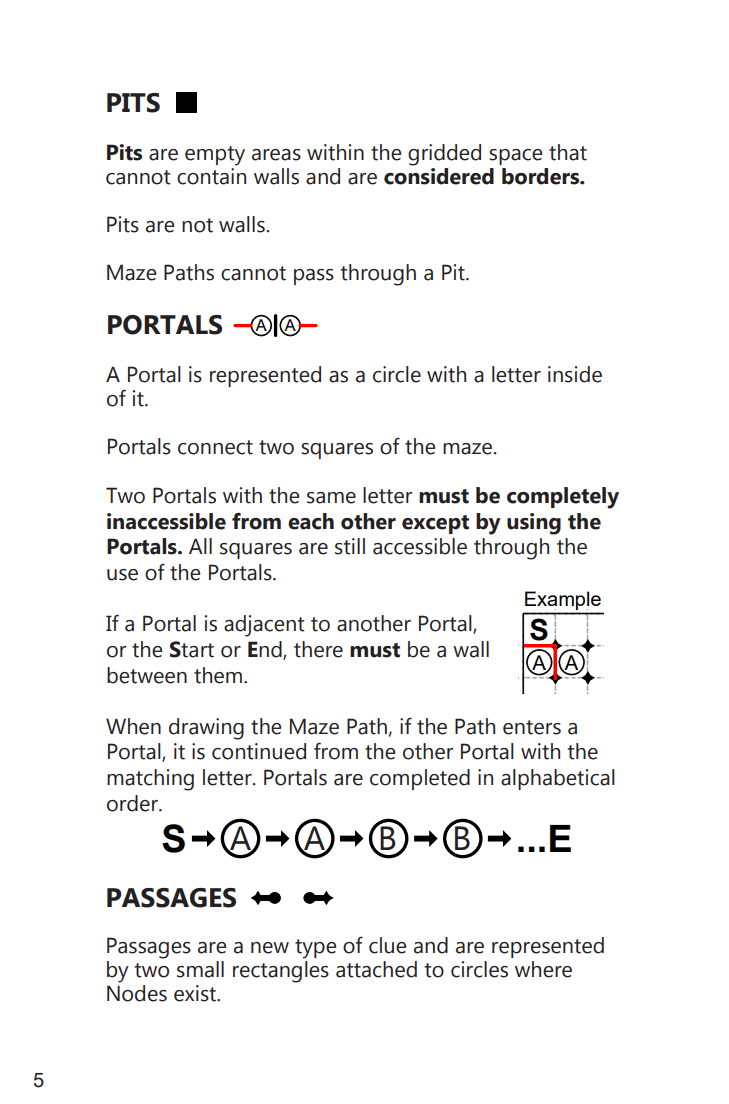
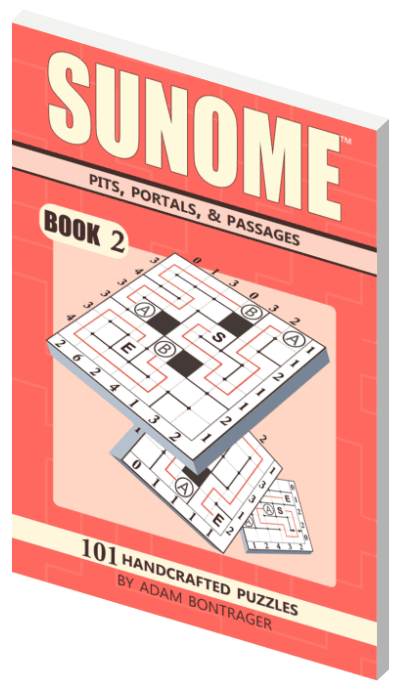
  • BOOK 2: Pits, Portals, and Passages – adds objects and complexity to the grid
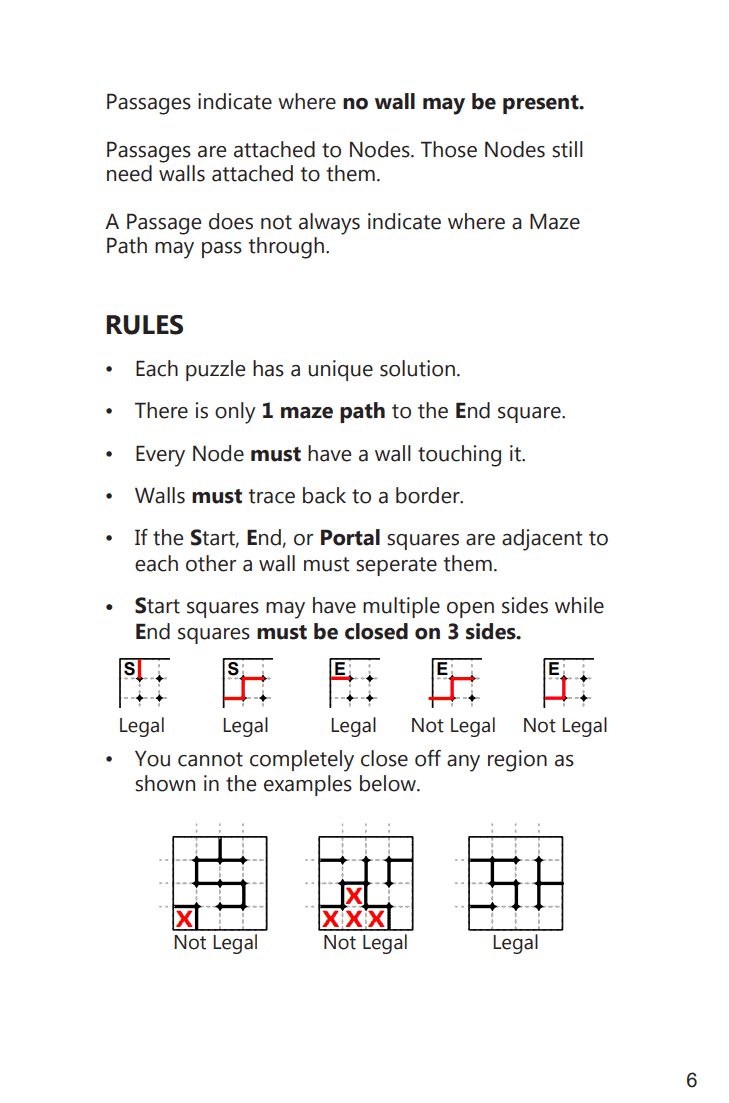
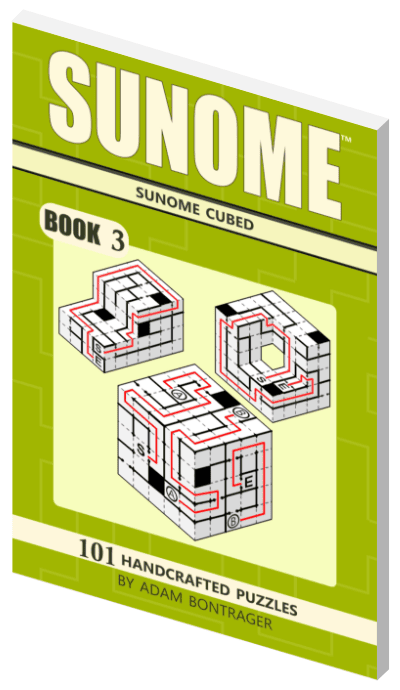
  • BOOK 3: Sunome Cubed – changes the shape of the grid to a cube
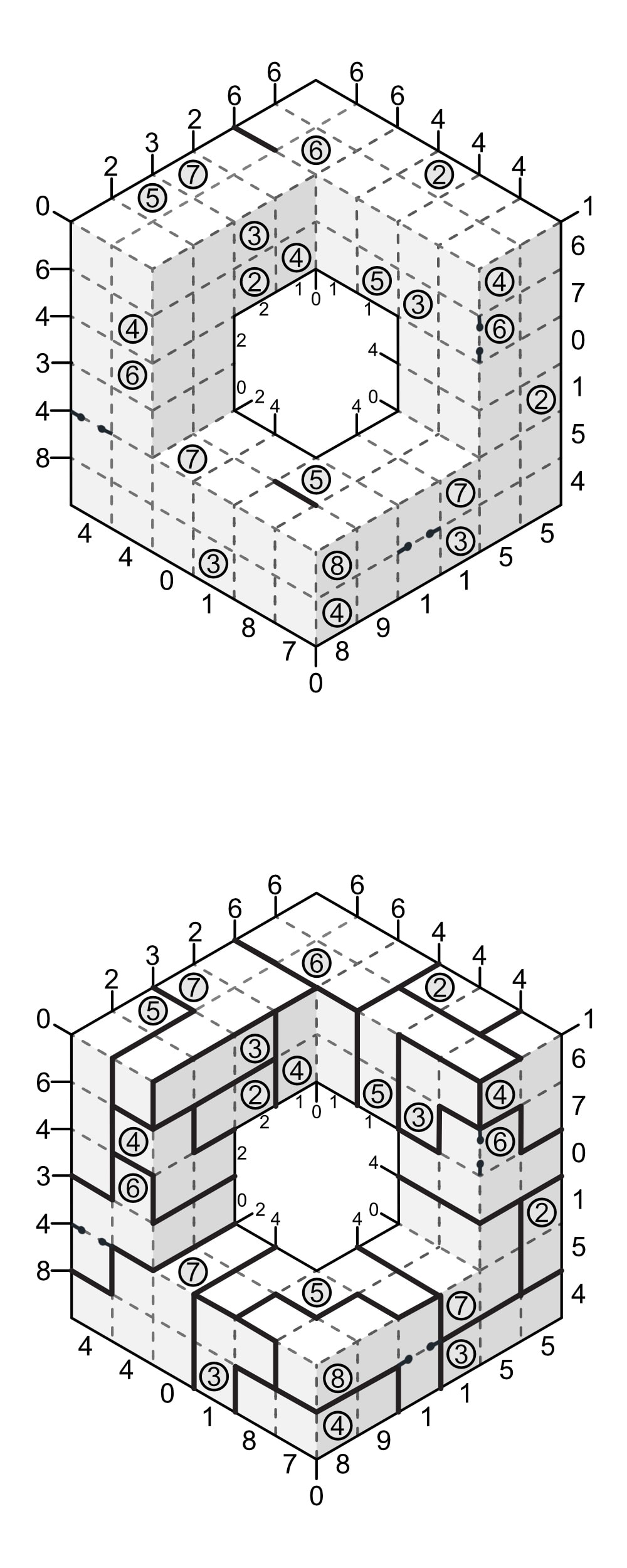
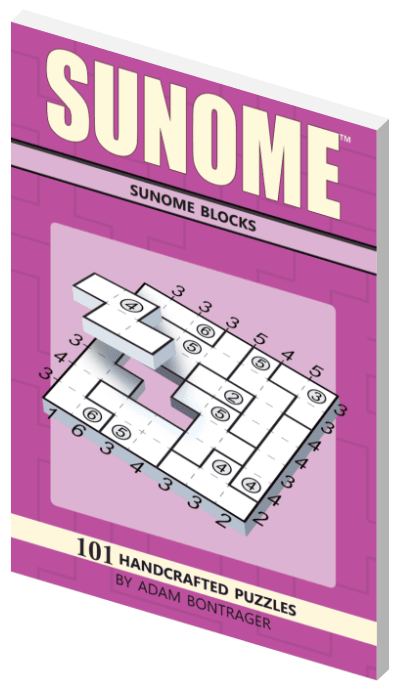
  • BOOK 4: Sunome Blocks – instead of a creating a maze, the player must break the grid into shapes with predetermined sizes, similarly to Shikaku
Sunome: Pits, Portals, and Passages
Sunome: Cubed
Sunome: Blocks

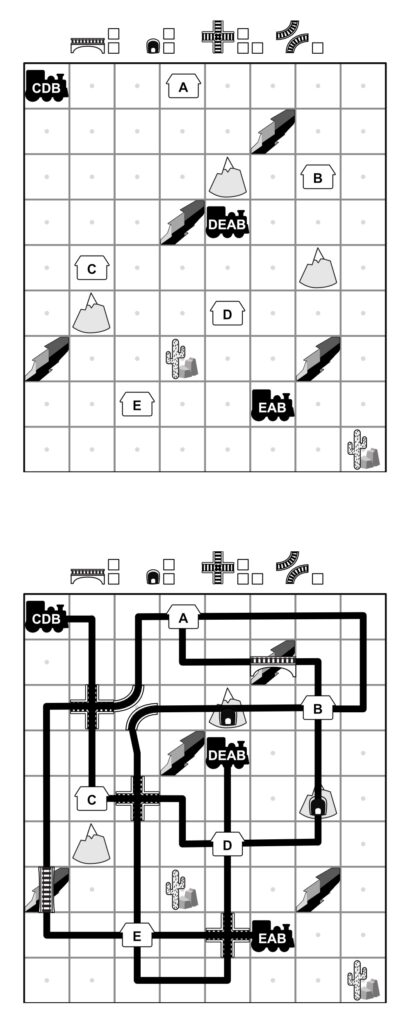
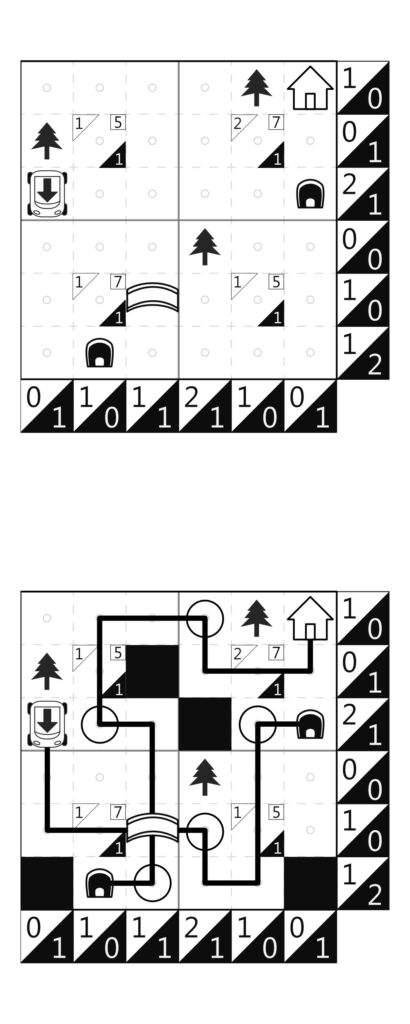
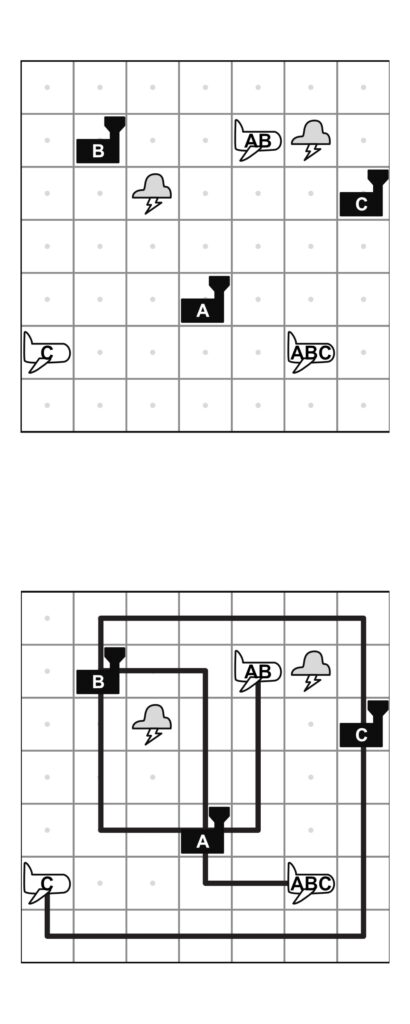
In addition to Sunome, the author has started publishing a separate series of original Transportation puzzles. So far this includes Kartdoodle and Skyways, with Railways coming out soon. While all puzzles are highly entertaining, my personal favorite so far is Skyways. It plays a lot like Numberlink and the mobile game “Flow Free” but has some added complexity.
Kartdoodle
Skyways
Railways

One can get the PDF versions of the books from itch.io for merely $1 each (at the time of publishing this post), which is a great bargain for such a good bundle of puzzles. Physical versions are also available on Amazon for $8. Each one of them is in the form of a small-format softcover, ideal to keep in the bag during travels. I hope the author will eventually consider combining all Sunome books in one deluxe hardcover edition and will do the same with his Transportation puzzles.

If you are still not convinced about Adam’s original puzzles, you can try the free sampler provided below. Also, for just a few bucks per month, you can subscribe to his Patreon. I am very happy to see such a prolific puzzle creator and looking forward to try his future work.

  • about 100 puzzles in each book
  • all hand-made logic puzzles
  • variations keep the puzzles engaging
  • affordable PDF and physical formats

GET SUNOME PUZZLES

Escaping the Kingdom

A long time ago there was a kingdom, isolated from the world. There was only one way to and from the kingdom, namely through a long bridge. The king ordered the execution of anyone caught fleeing the kingdom on the bridge and the banishment of anyone caught sneaking into the kingdom.

The bridge was guarded by one person, who was taking a 10-minute break inside his cabin every round hour. Fifteen minutes were needed for a person to cross the bridge and yet, one woman managed to escape the kingdom. How did she do it?

Once the guard entered the cabin, the woman started crossing the bridge for 9 minutes, and then turned around and pretended to be going in the opposite direction for one more minute. When the guard caught her, she said she was trying to enter the kingdom, so he banished her away.

Out of Time

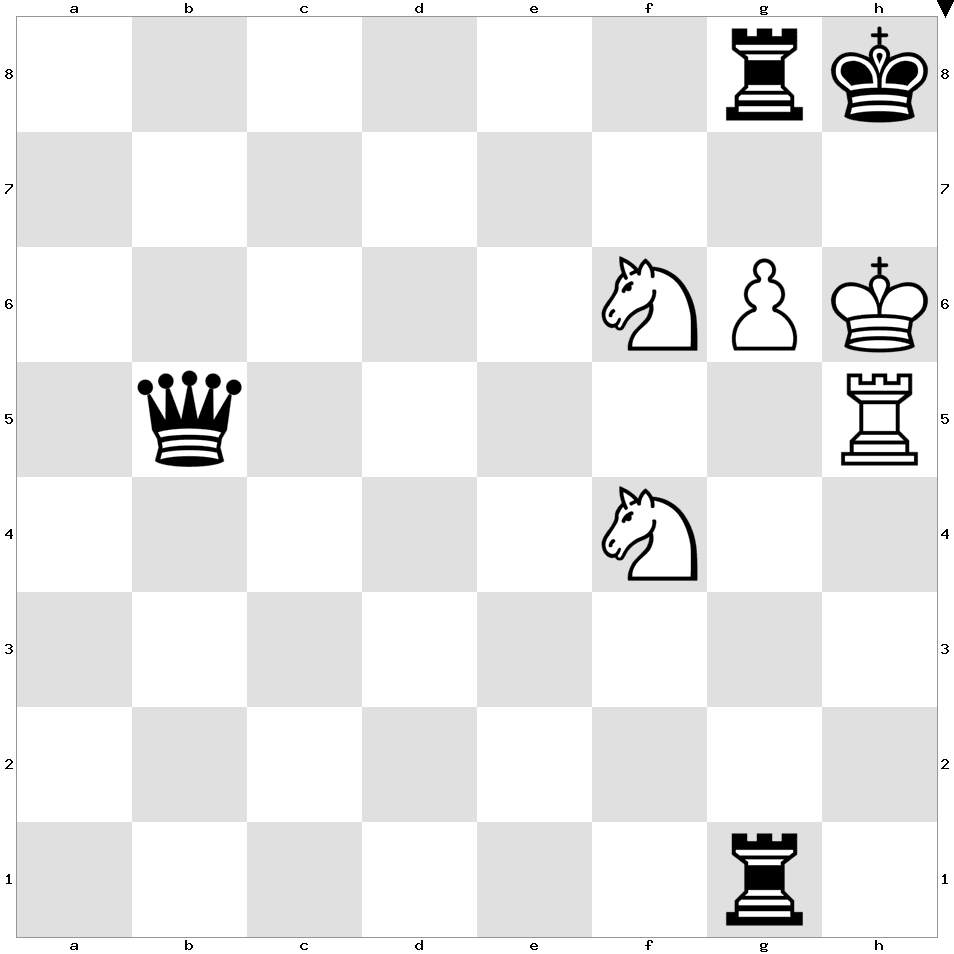
In the position below, Black played a move, but right before he pressed the clock, he ran out of time. However, the judge declared a draw instead of awarding a victory to the opponent. Why?

The rules of FIDE state that if a player runs out of time, their opponent wins the game IF they have a path to victory. If there is no sufficient material, e.g. a King and a Knight against a King, then the game is declared a draw.

In this position, Black played Rxg6 which forces the moves:

  1. … Rxg6+
  2. Nxg6+ Rxg6+
  3. Kxg6+ Qxg6+
  4. Kxg6

This leaves White with a King and a Knight against Black’s King. Thus, White did not have a path to victory and the game was declared a draw.

Unconscious and Bleeding

A man is found unconscious in front of a store at two in the morning. His head is bleeding and there is a brick laying next to him. When the police arrive, they carry the man to jail. Why did they arrest him?

The man was a burglar who tried to break the store’s glass with the brick. The glass turned out to be bullet proof, so the brick bounced back and hit him in the head, knocking him out.

Dr. Riesen’s Rebuses 2

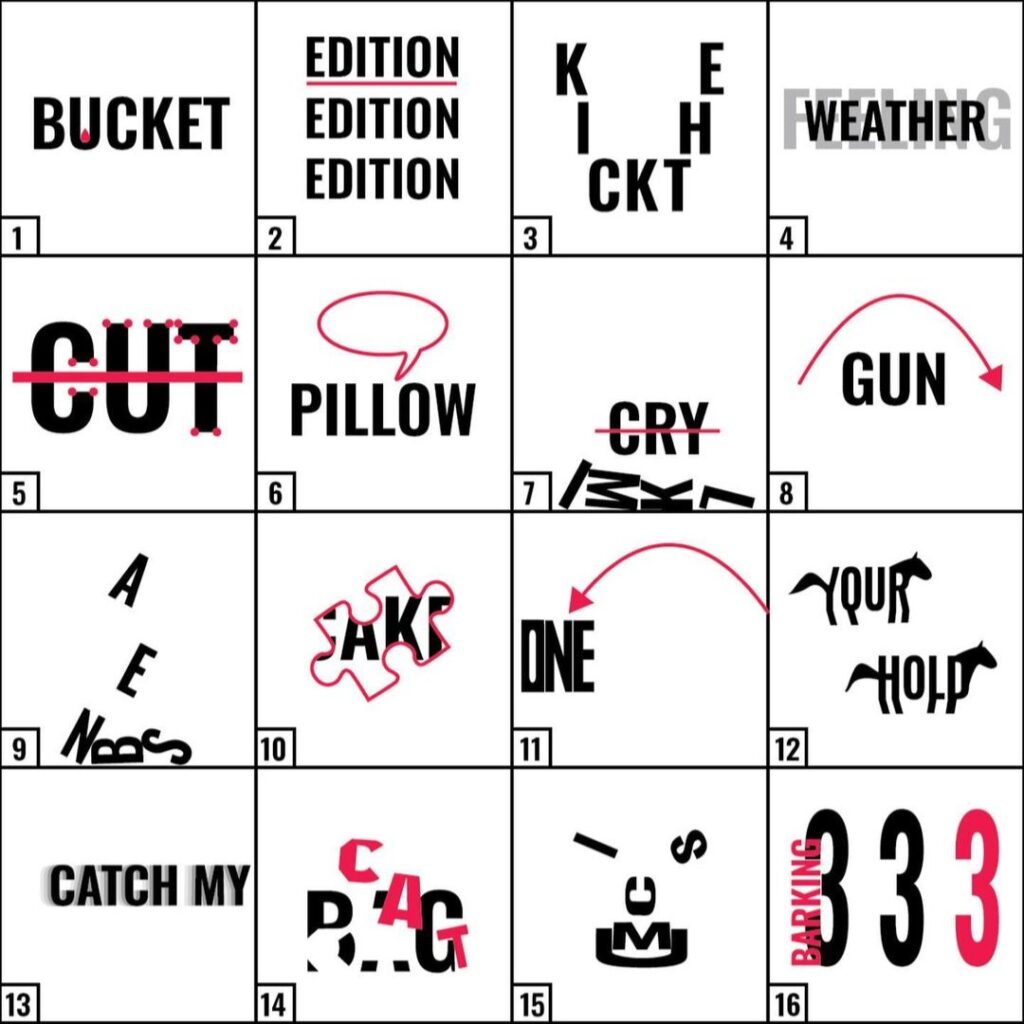
Can you figure out what common phrases these rebuses represent?

The answers are:

  1. A drop in the bucket
  2. First edition
  3. Kick the bucket
  4. Feeling under the weather
  5. Don’t cut corners
  6. Pillow talk
  7. Don’t cry over spilled milk
  8. Jump the gun
  9. Spill the beans
  10. A piece of cake
  11. Back to square one
  12. Hold your horses
  13. Catch my drift
  14. Let the cat out of the bag
  15. Face the music
  16. Barking at the wrong tree

Death Cult

A thousand people stand in a circle in order from 1 to 1000. Number 1 has a sword. He kills the next person (Number 2) and gives the sword to the next living person (Number 3). All people keep doing the same until only one person remains. Which number survives?

First, we note that if the number of people is a power of 2, then the first person will survive every round. The greatest power of 2 that is less than 1000 is 512. Therefore, after 488 people die, there will be 512 remaining and the first one to kill the 489-th person will survive. This person has number 1+2×488=977.

A String Around a Rod

A string is wound around a circular rod with circumference 10 cm and length 30 cm. If the string goes around the rod exactly 4 times, what is its length?

Imagine the circular rod is actually a paper roll and the string is embedded inside the paper. When we unroll it, we get a paper rectangle 30cm×40cm with the string embedded along the diagonal. Using the Pythagorean theorem, we find that the length of the string is 50cm.